
### Blog Post:
ai noise cancelling earbuds 3 are setting a new standard for adaptive listening, tapping into next-level AI to block noise and tailor audio—yet even the best can fall short in battery life, fit, and support. If you’re weighing your upgrade or first jump, this no-fluff breakdown will show you what’s real, how to maximize your setup, and what to look out for in 2026.
Key Takeaways
- AI noise cancelling earbuds 3 promise cutting-edge ANC but face tough competition and scarce verified data so far.
- Battery life, long-term software support, and cross-platform AI performance remain major buying considerations.
- Independent lab tests favor the Bose QuietComfort Ultra and Sony WF-1000XM6 for best-in-class noise blocking and audio personalization.
The Core Concept
At its core, AI noise cancelling earbuds 3 aim to deliver hyper-personalized sound by using adaptive AI algorithms to monitor your environment and apply noise cancellation in real time. The promise: seamless transitions from busy streets to quiet offices, with voice clarity and music detail staying front and center. Buyers are drawn to this for travel, commuting, work calls, and even fitness, hoping for “just works” ANC with minimal tinkering.

But how does this stack up under independent testing, and are the latest AI claims actually translating into real-world performance? Let’s break down what’s known, what’s rumored, and where to spot the red flags.
Step-by-Step Guide
Getting the most from any advanced adaptive ANC earbud involves much more than just pairing and pressing play. Here’s a practical step-by-step system that works across top models—whether you’re running Bose QuietComfort Ultra, Sony WF-1000XM6, or holding out for more info on the new ai noise cancelling earbuds 3.
- Unbox and fully charge both earbuds and case before first use.
- Download the companion app. Most leading models (Bose, Sony, JLab) provide advanced noise and EQ controls in their app. This is essential for customizing ANC and monitoring updates.
- Run the “fit test” or ear tip seal test. Proper fit is foundational—noise cancelling can’t compensate for air leaks.
- Set up adaptive ANC. Enable adaptive or “ambient aware” features in the app. For some brands, this let’s the earbuds auto-tune ANC as your surroundings change.
- Test across different environments. Hop between home, transit, and outdoor settings to see if the ANC smoothly adapts (e.g., mutes train rumbles but lets voices through at work).
- Adjust AI/ANC presets. If the default is inconsistent, manually tweak or save custom scenarios (like “commute” or “focus” modes).
- Monitor battery performance. Track real run time vs. claimed numbers. For heavy users, check if single-charge battery meets your day’s needs or if the case provides enough top-ups.
- Update firmware as prompted. Take advantage of optimization, bug fixes, and new AI features delivered over-the-air. Not all brands support updates equally.
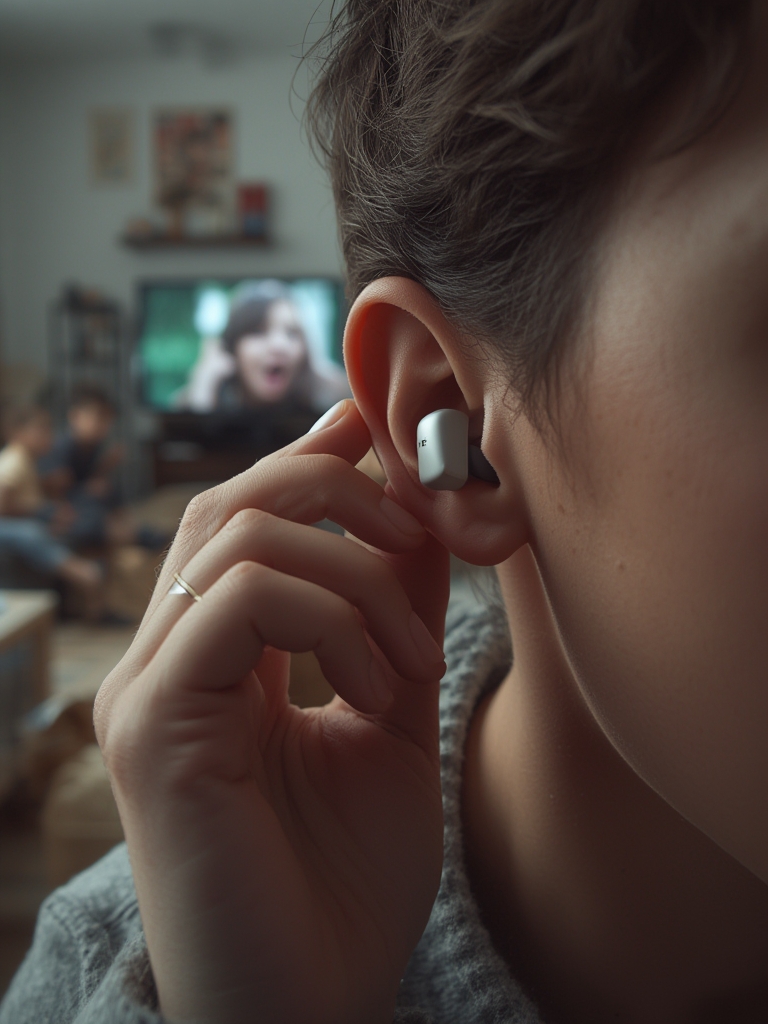
Don’t forget, battery claims on spec sheets are often based on ANC OFF. If you run full AI mode all day—like on a transatlantic flight—expect actual endurance to dip lower (e.g., AirPods Pro 3 drop from 30 to 24 hours total according to What Hi-Fi).
Want even more hands-on insight into AI-driven audio? Check this look at AI Noise Cancelling Earbuds 1 covering early sound personalization trends. Or, for iterative upgrades and hardware tweaks, see what’s changed in AI Noise Cancelling Earbuds 2.
Advanced Analysis & Common Pitfalls
Even top-rated ANC earbuds have weaknesses. Here’s what the research and user feedback reveal as the most realistic snags for 2026 buyers of ai noise cancelling earbuds 3 and their rivals.
| Model | ANC Strength | Battery (Earbud/Total) | Fit/Comfort Complaints | Software/AI Tech | Firmware Support |
|---|---|---|---|---|---|
| Bose QuietComfort Ultra (2nd Gen) | Outstanding (block low + high freq) | 8h+/NA | Few reported | Customizable ANC, no specific AI | No info |
| Sony WF-1000XM6 | Strong, wide frequency ANC | Up to 8h / NA | Few reported | QN3e AI chip (advanced) | No info |
| Apple AirPods Pro (3rd Generation) | Improved mids/lows | 8h / 24h total | Rare complaints | H2 AI/Adaptive EQ (iOS optimized) | No info |
| Technics EAH-AZ100 | Good, best in battery | 12.2h / NA | None noted | Standard adaptive ANC | No info |
| JLab JBuds ANC 3 | Decent, customizable via app | Up to 9h / 42h total | No complaints found | Adaptive/learns ambient | No info |
| ai noise cancelling earbuds 3 | No benchmarks | Unknown | Unknown | Not published | No info |
- Battery Underwhelm: Earbuds running full AI ANC seldom meet best-case battery claims. AirPods Pro 3, for example, cut total charge vs. older models (source).
- Long-term Updates Unclear: No major brand commits to multi-year firmware/AI support. This limits adaptability and can brick features if bug fixes stop coming.
- Platform Locks: Apple’s advanced ANC features are iOS-only. If you switch to Android, you lose adaptive AI strength. Other brands like Sony WF-1000XM6 and Technics provide more cross-platform consistency but may lag iOS in quick AI tuning (source).
- AI Inconsistency: Rapid shifts (like entering a subway or walking into wind) can trip up even smart earbuds, with delays in noise blocking evident—even in current leaders (source).
- No Third-party Validation for ai noise cancelling earbuds 3: No public benchmarks, teardown reviews, or long-term reliability data are available yet for the AI noise cancelling earbuds 3.
Curious about similar AI-powered audio for other use cases? See our AI smart ring health tracker 2 guide for personalized health tech, or deep-dive wireless charging trends in magnetic wireless power bank magsafe 3.
Conclusion
The hype around ai noise cancelling earbuds 3 is big, but reliable details are thin. Leading competitors like Sony WF-1000XM6, Bose QuietComfort Ultra, and Apple continue to set the bar for adaptive ANC and user experience, while budget picks like JLab push hard on value. For buyers, real-life testing, informed setup, and realistic expectations about software support and AI consistency should drive your decision. If you want elite noise blocking and future-proof features, look for models with independent test wins and open, frequent firmware updates. Ready to make the jump? Research, compare, and demand proof before you buy any ai noise cancelling earbuds 3—sound quality and adaptability are investments, not gambles.
Want more on smart audio, portable power, or future-proof lighting? Browse the latest on smart led light panels wall 1 and upgrade your complete tech setup.
FAQ Section
Are ai noise cancelling earbuds 3 worth waiting for or should I buy leading ANC earbuds now?
With no independent benchmarks or verified AI tech specs for ai noise cancelling earbuds 3 yet, flagships like Sony WF-1000XM6 and Bose QuietComfort Ultra are the safest choice for 2026. Wait for reliable lab results before investing in unproven models.
How do I get the best fit and sound isolation from my ANC earbuds?
Use included fit test or ear tip seal features in the companion app. A tight, comfortable seal optimizes ANC and prevents sound leaks—often more than tweaking settings alone.
Do any brands guarantee long-term firmware or AI feature updates?
No leading brand currently commits to a formal long-term update policy for wireless earbuds. Most provide periodic updates for 1-2 years, but beyond that, future support is unclear.
Will adaptive ANC or AI sound features work equally on Android and iOS?
Not always. Apple’s AirPods Pro 3 deliver full adaptive AI features only on iOS. Sony WF-1000XM6 and Technics offer broader cross-platform support, but some app functions may vary or lag behind iOS.
Is there any real advantage to buying “AI” earbuds over standard ANC models?
AI-powered earbuds promise more consistent real-world noise blocking and personalized audio. However, actual improvements depend on software quality and ongoing updates—without strong firmware support, standard ANC can be just as effective.
—