

portable power station solar generator 1 has become the go-to solution for campers and outdoor enthusiasts who need reliable, clean, and portable electricity far from home. As camping trends surge in 2024 and beyond, understanding how to choose and get the most out of these solar-powered units is essential for safety, comfort, and cost savings.
Key Takeaways
- The portable power station solar generator market is experiencing rapid growth, fueled by camping and remote work trends.
- Actual performance, user reviews, and total cost of ownership are still underreported compared to basic feature lists.
- Smart buyers should focus on battery chemistry, solar input capacity, and warranty details for long-term satisfaction.
- Portable Power Station Solar Generator 1: What It Is and Why Campers Choose It
- How to Choose and Use a Portable Power Station Solar Generator for Camping
- Advanced Analysis & Common Pitfalls When Buying for Camping
- Conclusion
- Frequently Asked Questions
Portable Power Station Solar Generator 1: What It Is and Why Campers Choose It
A portable power station solar generator is a rechargeable battery device designed to run or charge small electronics, lights, or appliances using stored electricity. Unlike gas generators, these units are silent, emission-free, and can be recharged with foldable solar panels, wall outlets, or vehicle power. They’re particularly valuable for campers, van lifers, outdoor workers, and anyone spending nights away from established power sources.
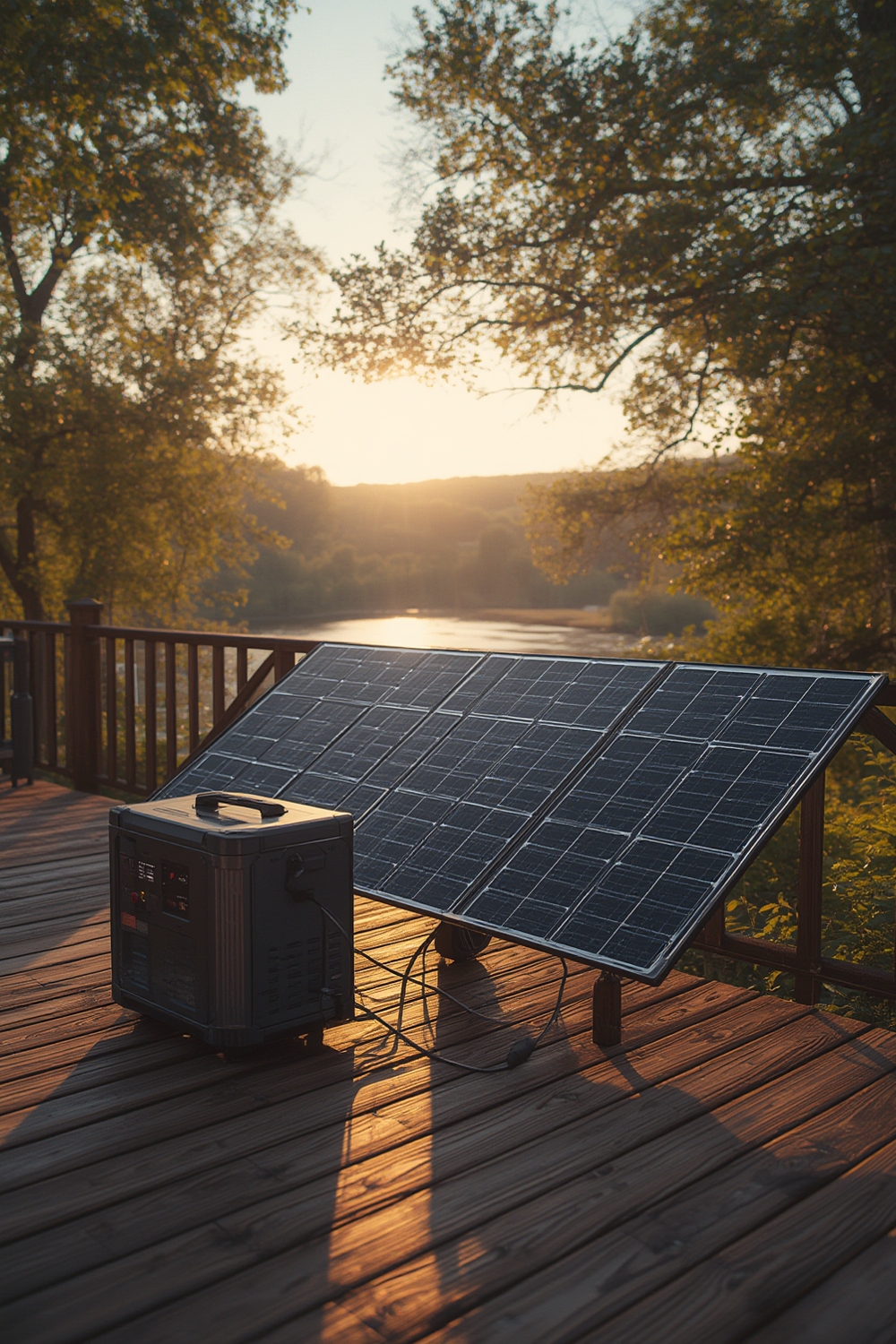
Market research shows the global portable power station industry is valued at USD 4.9 billion in 2024, with outdoor recreation like camping holding over 41 percent of the market (source). The move away from noisy, high-maintenance gas units toward compact, solar-rechargeable lithium battery stations is driven by noise restrictions, emission concerns, and growing demand for off-grid lifestyles.
Clean, reliable power is now non-negotiable for weekend campers and long-haul digital nomads. As solar panel efficiency rises and battery prices fall, it’s easier than ever to ditch fossil fuels — but buyers must still make careful choices to get maximum performance per dollar. If you want a broad guide to the best options this year, see our comprehensive analysis on the best portable power station options, which covers both solar and plug-in models.
How to Choose and Use a Portable Power Station Solar Generator for Camping
Choosing the right portable power station solar generator for camping starts with matching unit specifications to your power needs, trip style, and regional climate. Here’s a practical, proven approach:
-
Assess Your True Power Needs
Make a list of everything you’ll want to plug in while camping. Add their wattages (or amps x volts) and estimate how many hours per day each runs. Total these for your daily Wh demand. For more calculation tricks, check out our full portable power station camping buying guide. -
Match Battery Capacity & Solar Input
Choose a power station whose battery (typically 300-2000Wh for camping) can run your daily load for at least one full day. The bigger the capacity, the heavier and costlier the unit.
For solar generator operation, select compatible foldable solar panels with total wattage that matches your average daytime charging needs. For weekenders, a 100-200W solar input is usually enough. Some models let you parallel more than one panel for faster recharge. -
Battery Chemistry: Lithium Ion vs. LiFePO4
Lithium iron phosphate (LiFePO4) batteries last far longer (2000+ cycles) and operate safer at high temperatures, but tend to cost more up front. Standard lithium-ion batteries (NMC, NMC811) are lighter and cheaper but degrade faster. -
Check Port Types and Surge Handling
Ensure your station has the right outputs: AC, USB-A, USB-C, DC carport, and pure sine wave inverter for sensitive electronics. Surge handling is key for things like pumps or small appliances. -
Plan for Weight, Packability, Warranty
Lightweight, ruggedized designs are best for hiking. Review warranty length and actual after-sales support—these vary and can affect long-term value. For a detailed rundown of tech features vs. real-world needs, review our tips embedded in the Amazon gadgets review collection. -
Deploy Efficient Camp Charging Habits
Orient panels directly at the sun, avoid shade, and recharge during peak sun hours. Use efficient appliances—LED lights, inverter mini fridges, or low-power laptops—whenever possible. Solar efficiency can drop dramatically with clouds, so keep backup charge options (car or mains) for emergencies.
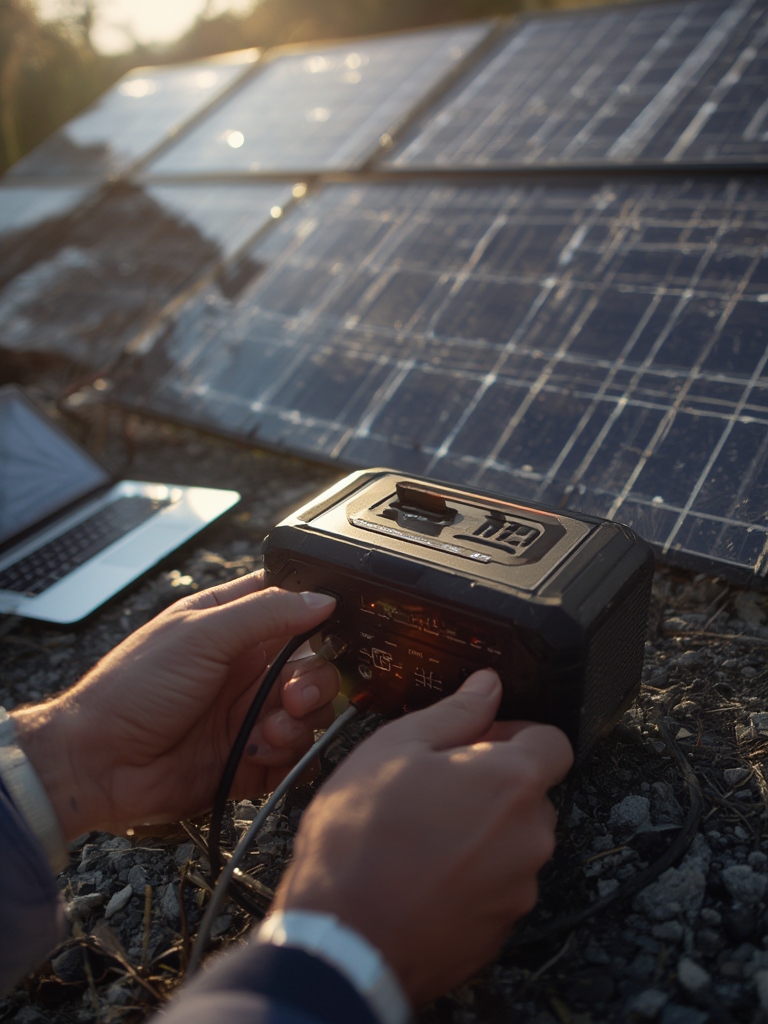
If pure portability is a must, consider backpack-sized models. Otherwise, units in the 700-1500Wh range are the current sweet spot for car campers who want plug-and-play setup, multiple recharges, and rapid solar input without breaking the bank. To compare with other trending gear, see also our wireless power bank and AI noise cancelling earbuds guides, which offer new power solutions for different outdoor or travel needs.
Advanced Analysis & Common Pitfalls When Buying for Camping
Research shows a lack of independent comparisons for real-world performance, safety standards, and cost breakdowns for portable power station solar generator 1 models. Here’s where smart shoppers stumble:
| Common Pitfall | Why It Matters | How to Avoid |
|---|---|---|
| Overestimating Solar Input | Lab-rated panel wattage can be 30-40% higher than real mid-day performance, especially if not angled directly at the sun or when partly cloudy. | Assume only 60-70% of listed wattage will be usable. Oversize panels or supplement with AC when possible. |
| Ignoring Battery Degradation | Capacity drops with cycles, especially in standard lithium-ion models. After a year of regular weekend use, some lose 15-20% capacity. | Choose LiFePO4 chemistry where long-term reliability is vital. Compare stated cycle life and warranty periods. |
| Lack of True Sine Wave Output | Cheaper units deliver modified sine wave power, which can harm sensitive devices and run less efficiently. | Always confirm the inverter is true (pure) sine wave if you use laptops, CPAPs, or medical equipment. |
| Unknown Certification and Warranty Terms | Few brands clearly state third-party safety certifications or warranty claim ease. | Look for UL, CE, FCC, or PSE marks. Insist on 12 months or more warranty and confirm actual support is available. |
| Hidden Ongoing Costs | Users may need to replace batteries in 2-5 years, and premium solar panels often are sold separately. | Ask about battery replacement prices and expected cycles before you buy. Consider total ownership cost, not just sticker price. |
Industry data (research) confirms solar-integrated setups can save up to 40 percent on energy over traditional gas units, yet these savings depend heavily on actual camping usage, weather, and charging behavior. External research also notes solar generator performance is improving, but specification exaggerations are common (source).
Despite booming sales, most top-ranked reviews and guides do not break down total ongoing costs, compare user satisfaction for different battery types, or specify safety standards and after-sales support. The lack of real user complaints, cost-of-ownership data, and unbiased model comparisons means prospective buyers should apply extra scrutiny and double-check before purchasing.
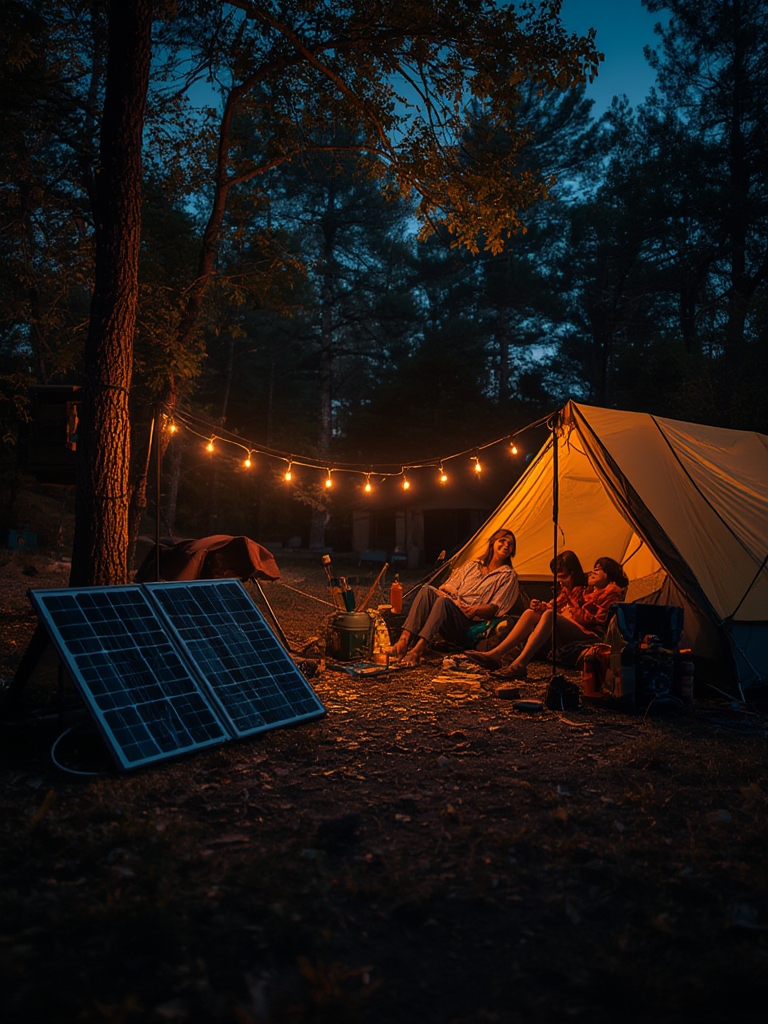
For future shopping, keep an eye out for better transparency in portable power station gear—battery cycle ratings, full warranty policies, and open customer feedback. Also, stay updated with our ongoing shortlist of trending amazon gadgets and see how portable solar power is evolving for outdoor and emergency use.
Conclusion
The meteoric growth in portable solar power isn’t just hype: for campers, van lifers, and anyone working outdoors, a smartly chosen generator unlocks convenience and peace of mind while helping you avoid noisy, polluting engines. To make the right investment, focus on total watt-hours, honest solar input, battery chemistry, and warranty support rather than sheer advertised specs. As real-world performance data and cost-breakdown reviews improve, more buyers will have safer, quieter, and more satisfying off-grid adventures.
Ready to upgrade or replace your current camp setup? Double-check all tech specs, dig deep on warranty and after-sales support, and compare trusted models using our in-depth guides. Stay ahead and travel well with a modern portable power station solar generator 1 built for real use.
Frequently Asked Questions
How long does a portable power station solar generator last on one charge?
It depends on the battery’s watt-hour rating and what you’re running. For example, a 1000Wh model might run a 50W mini fridge for about 16-18 hours or a laptop for 15+ recharges. Using solar panels in full sun lets you recharge and extend usage.
Can I use any solar panel with my power station?
No. Always check your power station’s solar input voltage and connector type. Most models work best with specific panel wattages and require MC4 or barrel adapters. Mixing incompatible panels can damage your unit.
What is the best battery type for camping: lithium-ion or LiFePO4?
LiFePO4 batteries last longer (often 2000+ cycles), tolerate heat better, and are safer, but they’re heavier and cost more upfront. Standard lithium-ion is lighter, less expensive, but typically offers fewer charge cycles.
Do portable solar generators work on cloudy days?
They do, but charging speed may be 50% or less of clear-sky rates. Always oversize your panel or bring a wall/car backup if you camp in cloudy or shaded places.
What warranty and certifications should I look for?
Seek units with at least a 12-month warranty, robust third-party certifications (like UL, CE, FCC), and clear support contacts. Avoid brands that won’t specify warranty claim steps or battery replacement options.