

portable power station solar generator 2 devices have become essential for outdoor enthusiasts and anyone seeking a reliable backup energy source for emergencies. In 2024, as power outages and unpredictable weather increase, understanding how these solutions work—and what to realistically expect—matters more than ever.
Key Takeaways
- Global demand for portable power station solar generator 2 devices is rising sharply across camping, van life, and emergency sectors.
- Most models in 2024 focus on balanced portability (500Wh–1,000Wh) but technical and real-world limitations remain.
- Practical setup, maintenance, and safety features are critical—hidden costs or performance gaps can catch new users off guard.
- What Are Portable Power Station Solar Generator 2 Devices and Why Do They Matter?
- How to Use a Portable Power Station Solar Generator 2: A Step-By-Step Guide
- Advanced Analysis: Real-World Performance, Pitfalls, and Buyer Misconceptions
- Conclusion
- Frequently Asked Questions
What Are Portable Power Station Solar Generator 2 Devices and Why Do They Matter?
A portable power station solar generator 2 is essentially a rechargeable energy hub. It stores electricity—collected from the grid or solar panels—in a high-capacity battery, then delivers that power as needed through various outputs (AC, USB, DC). Unlike gas generators, these solutions are silent, emission-free, and designed for convenient transport.
In 2024, the global portable solar generator market hit $578 million, with rapid growth fueled by the surge in camping, off-grid adventures, van life, and preparedness for natural disasters or blackouts. Environmental awareness plus technological advances make the latest models more affordable and user-friendly than ever.
Their popularity is highest in North America, but the Asia Pacific region is catching up fast due to urbanization and adoption in fast-developing countries. For even more comprehensive reviews and buying guidance, our guide on the best portable power stations for 2026 covers additional use cases and Amazon best sellers.
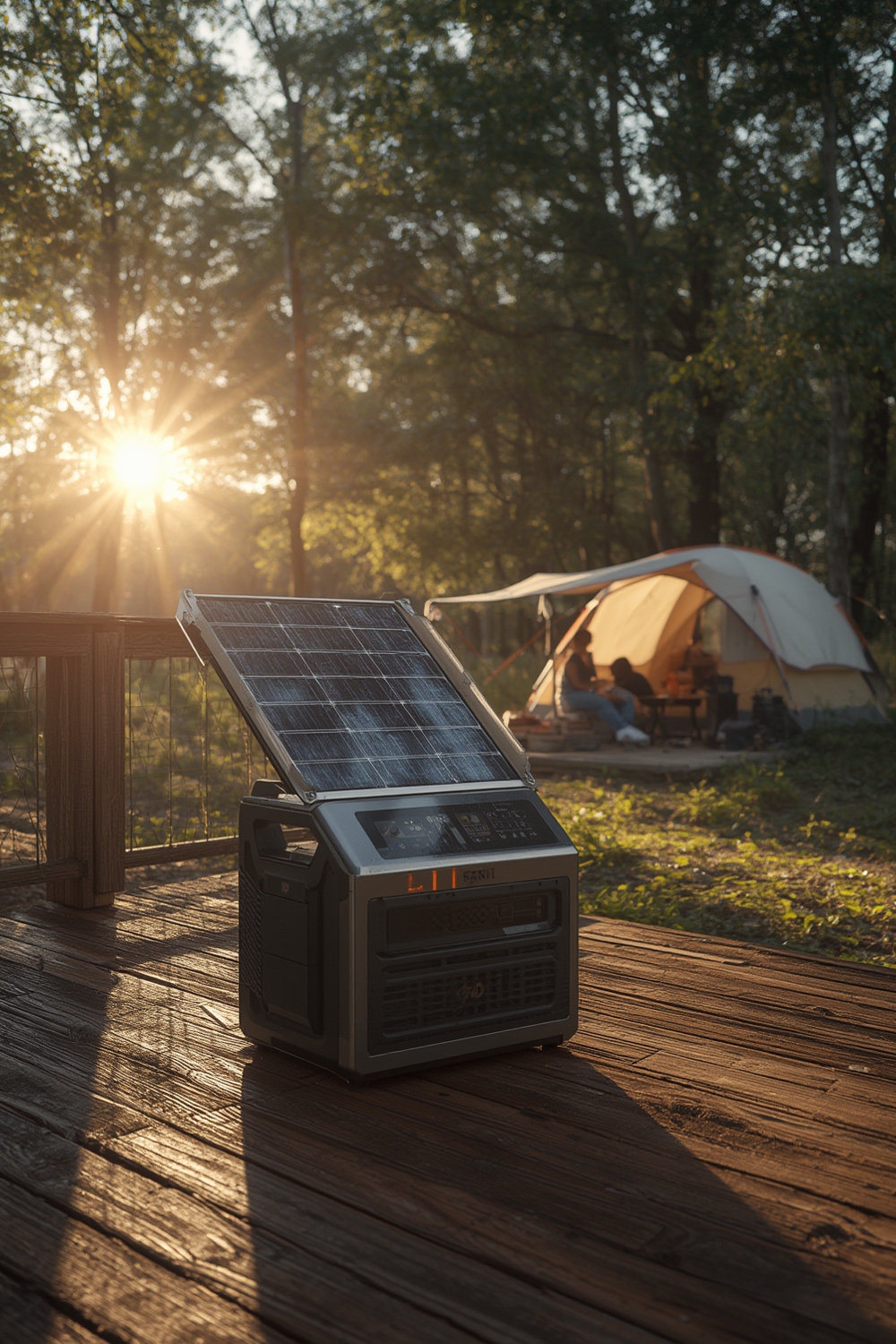
Why make the switch in 2024? Frequent severe weather events, the need for mobile “office anywhere” setups, and the rise in eco-travel have all proven that conventional power solutions are too rigid. Portable power station solar generator 2 units not only provide energy independence but do so with fewer moving parts—and less noise—than gas or diesel alternatives.
For those seeking complete off-grid capability, pairing these stations with dedicated foldable solar panels adds a valuable layer of autonomy. Recent industry reports confirm that the outdoor and recreational solar panel market continues expanding at over 16% per year.
How to Use a Portable Power Station Solar Generator 2: A Step-By-Step Guide
- Unpack and Inspect: Unbox your power station, charging cable, user manual, and—if purchased together—solar input cable and panels. Check for shipping damage.
- Charge Before First Use: Fully charge the unit from the wall outlet. This “preconditioning” helps battery longevity and gives a baseline test of actual charge time versus what’s promised in the specs. Most 500Wh–1,000Wh models take 5–8 hours from empty to full on AC power.
- Solar Panel Setup (Optional): If using solar, connect the panels in full sunlight. Match input rating (watts and voltage) with your generator’s specs. Monitor the input on the LCD or companion app.
- Test Core Devices: Plug in your must-have gear—phones, laptops, fridge, CPAP machines, lights. Watch the power draw and estimate runtime. Capacity drops faster if you max out the AC inverter or run several high-wattage gadgets at once.
- Outdoor & Emergency Use: For camping or outage prep, keep all charging cables, adapters, and quick-start instructions together in one pouch. Pack spare USB cables and, if needed, a weather-resistant extension cord for your setup.
- Maintenance: Every 2–3 months, recharge the battery if unused. Store the station in a cool, dry place—the lithium battery will last longer if never left fully depleted.
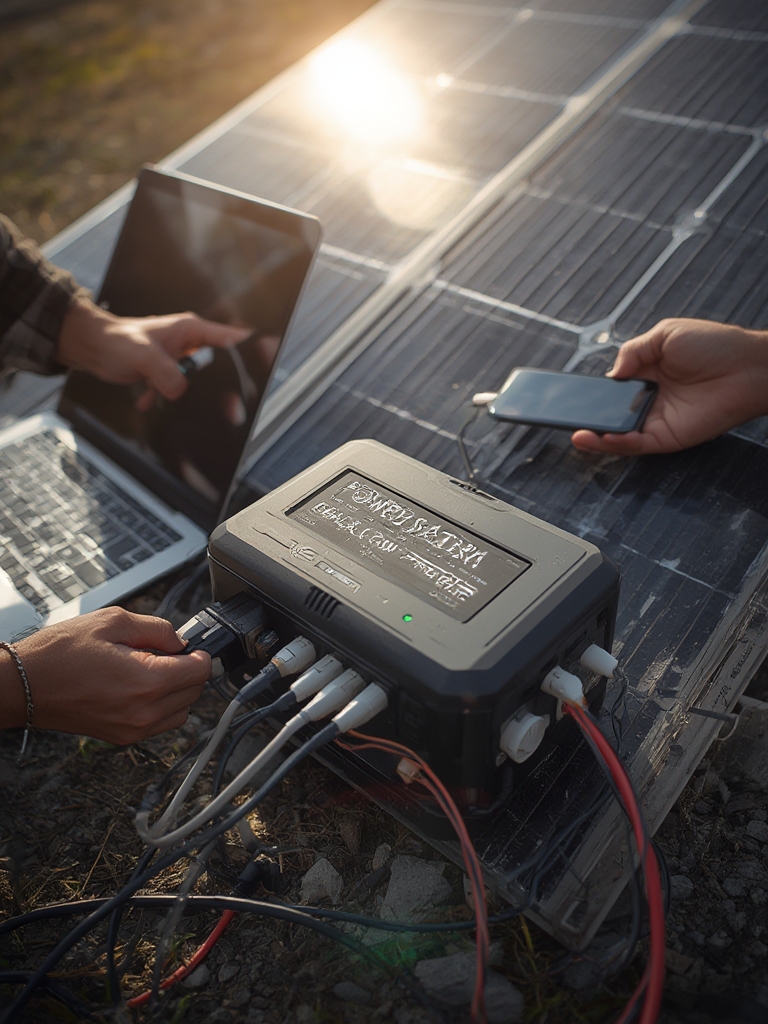
For a deeper dive into backup options, see our full guide on portable power station solar generators. If camping is your main concern, check out our coverage of the best portable power stations for camping and how they compare to classic battery banks.
Advanced Analysis: Real-World Performance, Pitfalls, and Buyer Misconceptions
While features sound impressive on paper, real-world use often exposes gaps between claimed specs and practical results. For instance, the “500Wh–1,000Wh” range favored by most camping and emergency users in 2024 generally balances weight (under 25 lbs) and true runtime, but advertised “watt hours” are often optimistic.
Common pitfalls users report or uncover:
- Capacity Overestimation: Usable battery capacity can be 10%–18% lower than advertised due to inverter inefficiency and real-world loads. Factor this into your calculations for overnight trips.
- Slow Solar Charging: Solar panel input is highly weather-dependent, and charging can take 9–15 hours instead of the “up to 5 hours” quoted in ideal lab conditions.
- Output Limitations: Not all AC outlets support high-wattage appliances (like kettles or e-bikes). Read the continuous and surge load limits carefully before plugging in.
- Hidden Costs: Additional solar panels, replacement batteries, or proprietary adapters can add several hundred dollars to your “all-in” budget.
- Battery Life Cycle: Modern lithium battery stations promise 500–2,500 cycles, but leaving the station at 0% or constantly charging from solar can accelerate wear. Replace batteries as part of your long-term cost planning.
- Safety Features and Certifications: True safety comes from over-voltage, over-current, and temperature cutoffs (some cheaper models skimp on these). Look for UL, CE, or TÜV certifications to ensure reliability.
The table below summarizes what to realistically expect from a typical 500Wh–1,000Wh portable power station solar generator 2 in 2024.
| Feature | Advertised | Real-World Typical |
|---|---|---|
| Battery Capacity | 500 Wh – 1,000 Wh | 425 Wh – 900 Wh usable |
| AC Output | 500W–1,000W cont. | Stable up to 80% of max load |
| USB/12V Outputs | All ports simultaneously | Possible, but drains battery much faster |
| Solar Input | 100W–200W, 4–6 hr full charge | 70W–120W in field; 8-12 hr avg charge |
| Charge Cycles | 500–2,500 | ~75% capacity at 500–1,000 cycles if well maintained |
| Price (unit only) | $350–$950 USD | Add $200–$500 for panels & cables |
For total cost of ownership and replacement part estimates, see our dedicated solar backup guide. You can also explore trending energy tech on our roundup of top Amazon best sellers for more practical reviews.

If in doubt, always prioritize models boasting independent safety tests and trusted user reviews—especially for use in critical backup or family camping situations.
Conclusion
Portable power station solar generator 2 devices deliver impressive, flexible energy backup for outdoor, travel, and emergency use. Their soaring popularity in 2024 is validated by strong market growth globally and significant advancements in lithium battery and solar technology. But potential buyers should temper manufacturer claims with real-world limitations—especially when it comes to charge time, total capacity, and cost of ownership.
Ready to take control of your power on the go? Review your device requirements, research charging options, and invest in a solution that matches your actual usage scenario. Learn more from our updated buying guide for portable power stations or browse related resources across the tech and backup power landscape.
Stay prepared, and make sure your portable power station solar generator 2 becomes a reliable companion for every adventure and outage.
Frequently Asked Questions
What devices can a portable power station solar generator 2 run?
Most models in the 500Wh–1,000Wh range can handle smartphones, laptops, CPAP machines, portable fridges, lights, cameras, and some small appliances—up to the stated inverter wattage. Check your equipment power draw before plugging in.
Is it safe to leave a solar generator charging unattended outdoors?
Quality models with certified safety features (overcharge, over-temp protection) are generally safe, but always keep the station dry and the solar controller protected from rain and dirt. Never leave cables or panels out in extreme weather.
How do weather conditions affect solar charging performance?
Direct sun yields maximum charging speeds. Cloud cover, shade, or haze can reduce output by 50% or more. Plan for longer charging times and bring a backup charging solution for critical needs.
What maintenance does a portable power station solar generator 2 require?
Recharge at least every 2–3 months if unused. Store in a cool, dry location. Inspect cables, connectors, and the battery display regularly for wear or errors. Replace batteries as specified in your manual for continued safety and performance.
Are solar generator 2 devices worth the investment for camping?
If you need quiet, emission-free power in places with limited infrastructure—or want reliable backup during outages—they usually pay off over several seasons, especially as costs drop and capacities rise. Consider your specific energy needs and camping style before buying.