

smart led light panels wall 1 are transforming the way homeowners and gamers create immersive, mood-driven spaces at home. These panels stick to your wall, react to music, and sync with smart home devices, making them one of the fastest-growing LED innovations for ambient lighting, creative decor, and gaming setups.
Key Takeaways
- Smart LED light panels offer sync-to-music, app and voice control, and endless creative arrangements for wall decor or gaming spaces.
- Pitfalls include high price tags, complex app integrations, and the need for strong WiFi or reliable power.
- Choosing the right panel means checking specs, compatibility, hidden costs, and actual user reviews.
- What Are Smart LED Light Panels and Why Use Them?
- How to Choose and Install Smart LED Light Panels
- Analysis: Pitfalls, Real Problems & Comparison Table
- Conclusion: Is It Worth It?
- FAQ: Smart LED Light Panels Wall 1
What Are Smart LED Light Panels and Why Use Them?
Smart LED light panels are modular, thin lighting tiles you stick to your wall that shine in millions of colors, react to music, and integrate with your smart home or gaming setup. They offer a unique, customizable way to decorate spaces—whether you want dramatic RGB lighting for streaming, a subtle glow for movie nights, or playful color scenes to boost your mood. Most panels connect to WiFi and can be controlled by smartphone apps, voice commands (via Alexa, Google Assistant, or Apple HomeKit), or even physical touch.
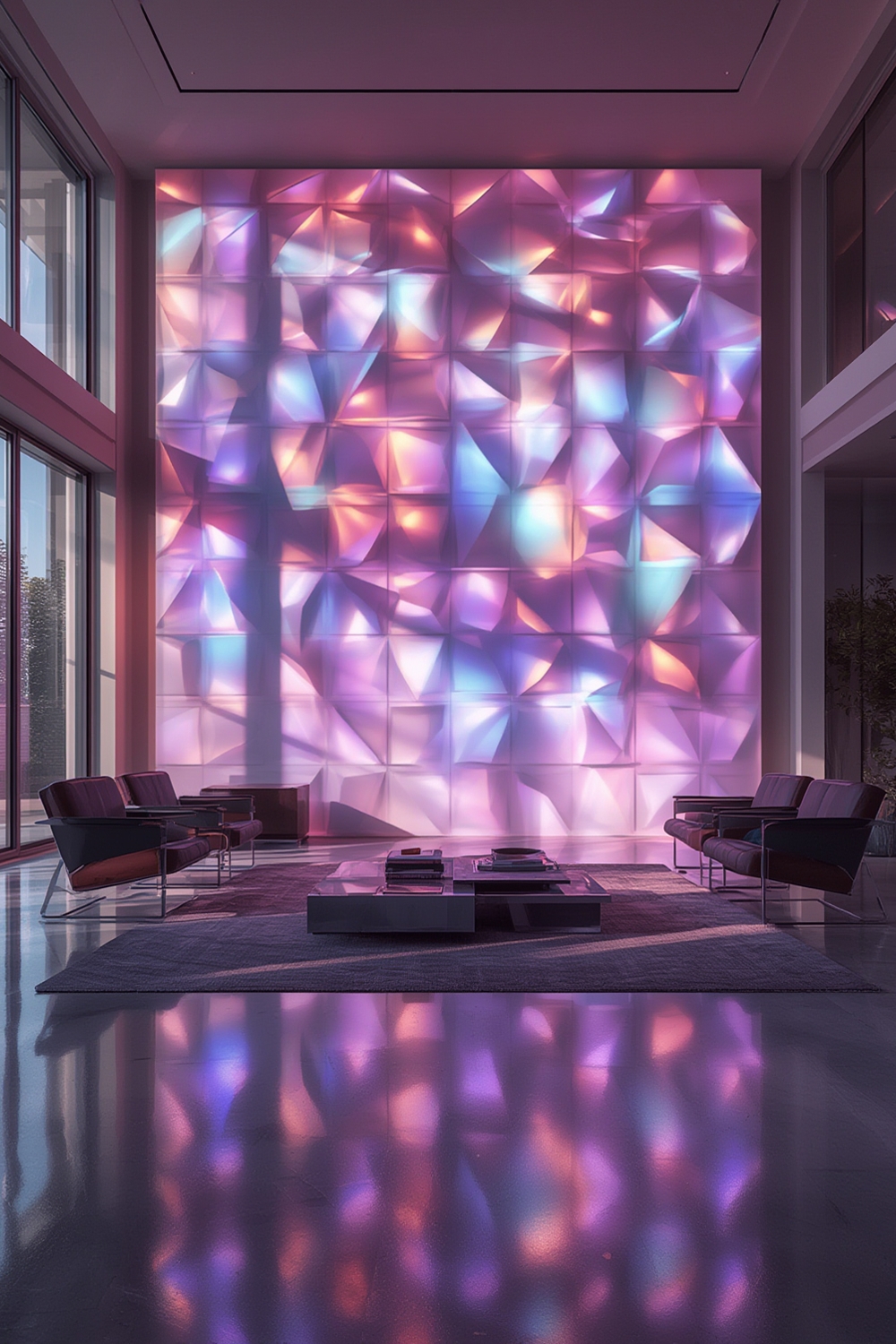
Unlike traditional LED strips, panels snap together in geometric shapes for a stunning, three-dimensional look. The best kits support music sync, automation routines, energy monitoring, and smart scheduling. Some even come with open APIs for tech-savvy users.
The demand for smart LED walls is surging as gamers, streamers, and home decorators look for ways to personalize rooms without professional contractors. For anyone inspired by top Amazon best sellers and social media trends, these interactive panels are a stylish investment.
How to Choose and Install Smart LED Light Panels
Ready to level up your space? Here’s a realistic, actionable guide to finding and setting up the right smart led light panels wall 1 for your needs.
Follow these steps:
- Identify Your Goals. Decide: is this for gaming, streaming backdrops, general lighting, or stylish decor? Not every panel fits every use case—music sync for example is essential for party or gaming but useless for sleep routines.
- Compare Popular Brands and Specs. Look for:
- Brightness (lumens). At least 100-200 lumens per panel for impactful colors in daylight.
- Color accuracy (CRI, RGB coverage). The higher, the richer the color.
- Energy consumption. Some panels eat power when displaying white or full brightness scenes; look for energy-saving modes.
- WiFi or Bluetooth connectivity. WiFi ensures smart home integration, but Bluetooth may be more stable in crowded wireless environments.
- Check Smart Home Integration. Make sure the kit supports your system (Alexa, Google Assistant, or HomeKit). If you’re running smart plugs, noise cancelling earbuds, or portable power stations, double-check compatibility for full automation. See this guide on best portable power station for tips on backup power planning.
- Review User Feedback and Reviews. Focus on negative reviews for insight into connection drops, app bugs, or panel quality. Most commercial LED panel reviews highlight glowing commercial installations [source], but home users are far more critical about setup complexity or app bloat.
- Count the Real Costs. While professional video wall installations can exceed $100,000 [source], most high-end consumer panels cost $100-$250 per 7-9 panel starter kit. Watch for hidden costs—from add-on panels, premium controller modules, or subscription-based cloud features.
- Plan Layout Carefully. Use the manufacturer’s app or AR tools to preview shapes. Remember, once you stick them, moving gets messy (unless you use a hack like Command strips).
- Install on a Clean, Dry Wall. Wipe the area first. Press each tile firmly for 30 seconds. Plug in and pair using the vendor’s app. Set up WiFi and test voice controls. Only then, configure scenes, animations, and schedules.
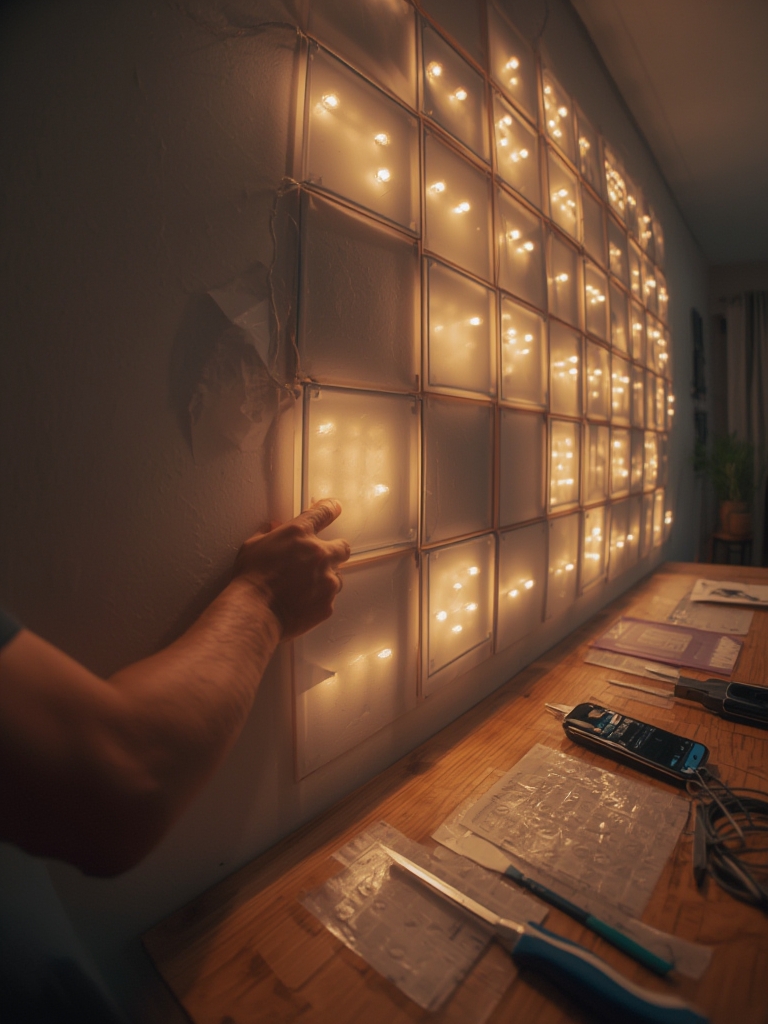
If possible, connect your panels to a dedicated backup power station (see this portable power station solar generator option) so you don’t lose lighting in the event of an outage—an especially smart tip for gamers and streamers.
For music or gaming ambience, test different color scenes and sound-reactive modes. More advanced panels let you use open APIs for custom routines, or link them with trending Amazon gadgets (see top Amazon best sellers with smart reviews) for an even smarter home setup.
Analysis: Pitfalls, Real Problems & Comparison Table
Despite the hype, there are important downsides and pitfalls with smart LED light panels wall 1:
- Unreliable Connectivity: Cheap brands often drop WiFi/Bluetooth signals or struggle to sync with Alexa/Google routines.
- Firmware Bugs and App Issues: Clunky apps are the number one complaint, with updates breaking existing automation or rendering voice controls useless.
- Limited Brightness: Many low-cost panels look dull in daylight or large rooms.
- Fragile Mounting: Panels that fall off or break when you attempt to reposition them are a common gripe in user reviews.
- Unexpected Expenses: Some brands limit advanced features (like music sync or scene scheduling) to paid subscriptions, or require extra hubs for basic functionality.
- Mixed Smart Home Support: Not all panels are Apple HomeKit compatible. Some only support Alexa or require proprietary hubs, complicating smart home setups.
- Occasional Power Surges: Malfunctioning panels can trip power supplies or drain uninterruptible power sources faster than expected (see advice in our best portable power station guide).
Here’s a comparison table of typical features found in leading smart LED panel kits:
| Feature | Brand A | Brand B | Brand C |
|---|---|---|---|
| Starter Kit Cost (USD) | $199 (9 tiles) | $120 (7 tiles) | $240 (10 tiles) |
| Brightness (lumens per panel) | 180 | 100 | 200 |
| Color Range | 16M+ (Full RGBW) | 16M (RGB) | 16M+ (Full RGBW) |
| Smart Home Integration | Alexa, Google, HomeKit | Alexa, Google | Alexa Only |
| Music Sync | Yes | Yes (Basic) | No |
| Expandability | 21+ tiles per controller | 9 tiles max | 16 tiles per kit |
| Subscription Features | No | Yes (unlock advanced scenes) | No |
| API Access/IFTTT | Yes | No | No |
For the most up-to-date technical trends in micro-LED and transparent panels, refer to market data here, but note those focus on commercial applications rather than gaming/home decor use.
Bottom line: Your experience depends heavily on brand, app stability, WiFi robustness, and up-front versus long-term costs. Check hidden fees, and run updates before relying on automation or routines.
Conclusion: Is It Worth It?
Smart LED light panels wall 1 deliver an engaging, modern way to light up your favorite room, gaming zone, or content studio. Their flexibility and eye-catching effects go far beyond basic LED strips. Yet, you need to shop carefully, budget for expansion, and watch for hidden limitations in apps and integrations.
If you value creative, voice-controlled lighting and want to join the smart home revolution, this is a worthy tech upgrade—especially when paired with other trending gadgets, backup power options, or AI-driven audio peripherals (see ai noise cancelling earbuds for a complete sensory experience).
Ready to transform your space? Start building your dream setup with a trusted smart LED panel kit today—and explore more top-rated products in our Amazon best seller guides.
FAQ: Smart LED Light Panels Wall 1
Are smart LED light panels wall 1 difficult to install?
No special skills are needed—just prep a clean wall and follow the kit instructions. Use app previews to plan your shape. For rentals, try removable mounting strips for damage-free setups.
Can I control these panels with my voice assistant?
Most leading panels support Alexa and Google Assistant out of the box, though Apple HomeKit compatibility is less common. Always check before you buy to ensure full integration with your smart home.
Is music sync worth the extra cost?
If you game, stream, or love high-energy atmospheres, music sync unlocks impressive visual effects. For calm or general lighting, it’s less critical—consider whether the added price matches your needs.
What happens if my panels lose WiFi?
Most will continue displaying the last active scene but lose remote control. Some brands offer optional Bluetooth fallback or physical controls for basic operation until WiFi is restored.
How do these panels compare in energy use?
Premium models offer energy-saving modes and monitor usage in-app. Bright or pure white scenes increase draw, so if you’re off-grid, browse our best portable power station guide for efficient backup solutions.