

### Blog Post:
Portable power station solar generator 3 is a hot topic for anyone needing backup energy off grid or while camping—but, surprisingly, there’s no exact product by this name in today’s market. In this guide, we dig into what this category means, who’s using it in 2024, plus detailed steps and pitfalls for choosing and using one.
Key Takeaways
- Portable power station solar generator options are booming, with global market value at nearly $4.9 billion in 2024.
- Gen Z and millennial campers drive strong demand for tech-forward, off-grid energy solutions.
- Know the real-world limitations before buying—hidden costs, watt-hour needs, and conflicting product names can waste your time and money.
- Understanding the Portable Power Station Solar Generator 3 Concept
- How to Choose & Use a Portable Power Station Solar Generator
- Advanced Tips & Hidden Pitfalls
- Conclusion
- FAQ
Understanding the Portable Power Station Solar Generator 3 Concept
Ask for portable power station solar generator 3 at a store or online and you’ll get blank stares or search results for everything from basic battery boxes to premium backup generators. Here’s why: “3” could mean a third-generation solar generator, a name from a new brand, or simply a trending search phrase. The reality is that the general market for portable power stations, especially solar generators, is exploding—worth nearly USD 4.9 billion globally in 2024.
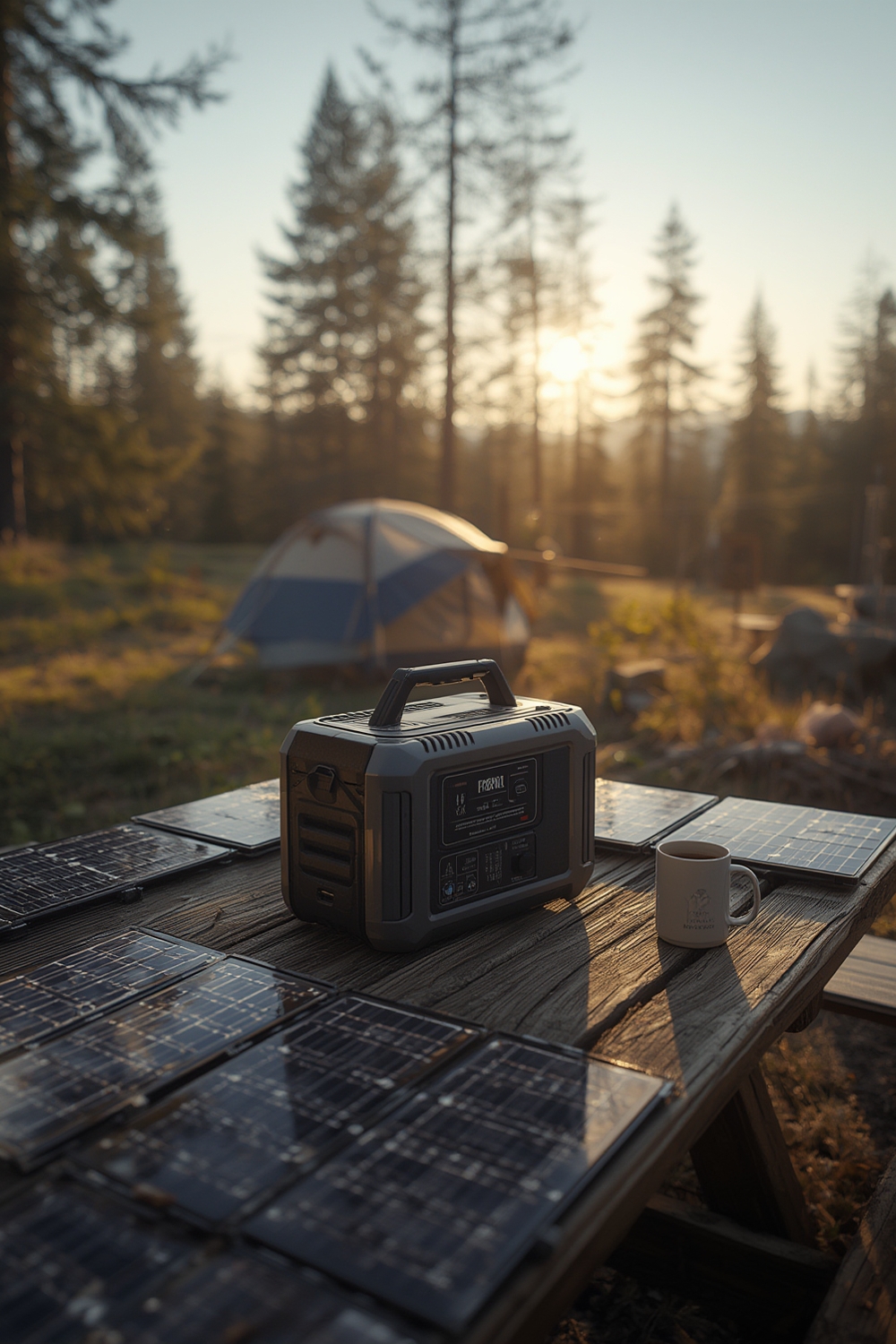
Most buyers are outdoor enthusiasts and tech-friendly campers. According to industry research, 61% of new campers in 2024 are Gen Z and millennials. They’re after energy independence, whether it’s to power phones, laptops, heated blankets, or even a mini fridge. But with so many models, names, and confusing features, it’s tough to know what to trust—or how to shop smart.
So, if you’re left wondering whether “portable power station solar generator 3” is a real product, here’s the quick answer: it’s best viewed as a type or class—portable power stations that can also charge from solar panels, latest-gen, packed with more power, smarter charging, or compatibility with fast-charging devices.
For a quick primer on solar generator basics and energy trends, see our companion guide to solar generator backup power.
How to Choose & Use a Portable Power Station Solar Generator
Ready to get your off-grid power setup right? Here’s a simple workflow to cut through the confusion:
-
Define Your Needs
List every gadget or appliance you want to run or charge. Look up their watt (or watt-hour) requirements. Add some overhead—most people buy too small and regret it later. -
Size Your Budget
Prices jump fast with battery size and feature upgrades. Entry-level units: $170-$250; premium, high-capacity models (for fridges, CPAPs, or laptops): $400-$1,200. -
Compare Battery Chemistry
Lithium iron phosphate (LiFePO4) lasts longer and is more stable than older lithium-ion, but costs more upfront. Decide if longevity is worth it. -
Match Solar Compatibility
Not all power stations include solar panels—sometimes “generator” refers to plug-in charging only. Double-check max input wattage and which solar panels are supported. -
Check Output Ports
You need enough AC, DC, USB-A, and USB-C ports—with required output wattage for your devices. Don’t overlook wireless charging or fast USB PD ports if you use them. -
Review True Capacity
Mislabeled models often list “peak” or “theoretical” watt-hours; usable output can be 15–25% lower. Look for real-world reviews. -
Evaluate Portability
A 70lb “portable” power station won’t help if you have to carry it a mile to your camp. Weigh actual dimensions and total packed weight—don’t trust online photos alone.
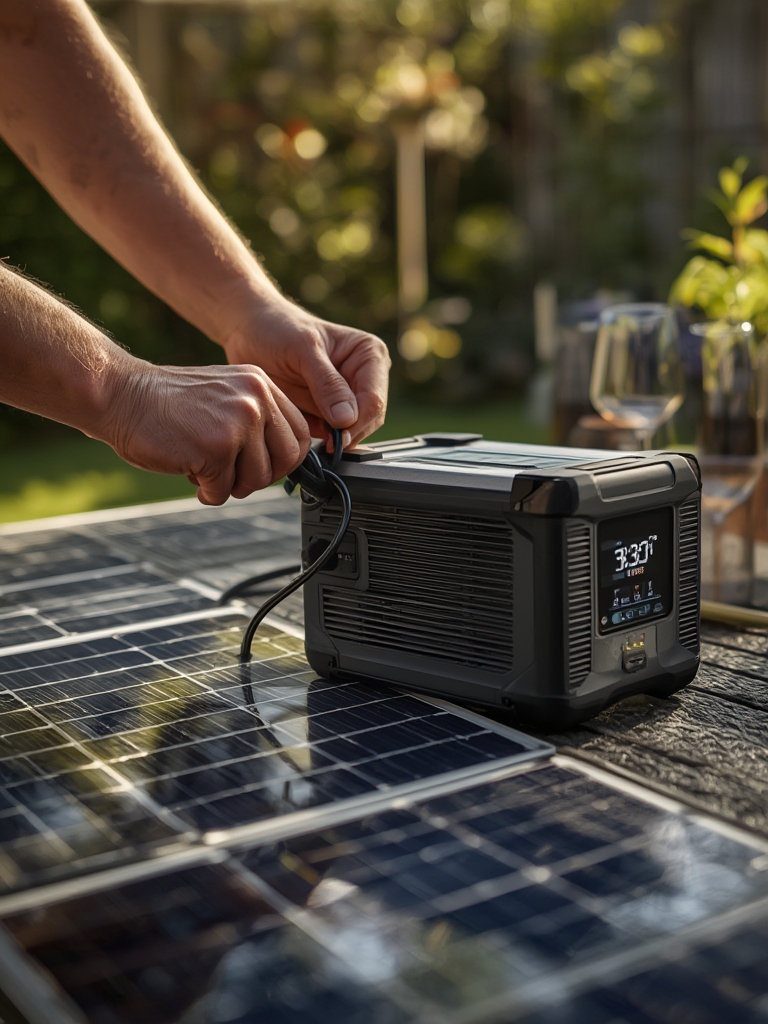
As you shop, scan for models with adaptive fast-charging. If you have other high-tech camping gear—like wireless earbuds with AI sound adjustment or a smartwatch—look for stations with multiple USB PD ports or wireless charging pads to streamline your charging setup on the trail.
And don’t be fooled by vague naming conventions—what one brand calls “solar generator 3” might be listed as “solar generator X” elsewhere, so always cross-check specs, not just product names. If you want real-world experience comparisons, check out our overview on portable power station solar generator 2 models.
Advanced Tips & Hidden Pitfalls
Portable power makes camping and emergencies easier—but it’s not magic. Here’s what often goes wrong and how to avoid headaches:
- Mismatched Power Ratings: A model rated “300W” often means max draw, not sustained output. Check inverter specs and battery efficiency to avoid brown-outs or damage to sensitive devices.
- Slow Solar Charging: Some units boast “solar ready” but have tiny solar input (50-100W max) or lack MPPT controllers, making recharging painfully slow even in strong sun.
- Unexpected Weight: Many “portable” stations exceed 40lbs; check specs for true weight—not “shipping weight”—and measure your carrying needs.
- Hidden Replacement Costs: Batteries degrade. Premium LiFePO4 cells last longer, but solar panels and internal batteries are costly to replace and rarely standardized.
- App Dependency: Some “gen 3” or “smart” models rely on cloud apps for settings—problematic with no cell service or when server access changes.
- Brand Confusion: The term “solar generator 3” doesn’t guarantee any official standard of product or tech advancement. Always match features and reviews, not trendy names or hypothetical “generations.”
It’s smart to balance price, battery chemistry, charging flexibility, and honest reviews. Review comparison tables and ignore brands with vague info. For more ways to fine-tune your off-grid tech, explore trending gear like AI smart ring health trackers and aesthetic smart LED lighting panels that often pair well with efficient power stations while camping or traveling.
| Feature | Low-Cost Unit | Latest Gen (LiFePO4/Smart) |
|---|---|---|
| Battery Type | Lithium-Ion (NMC) | Lithium Iron Phosphate (LiFePO4) |
| Cycle Life | ~500 Cycles | 2000+ Cycles |
| Solar Input | 50-100W, PWM only | 100-400W, MPPT standard |
| Weight | 12-28lbs | 20-45lbs |
| App Control | No/Basic Bluetooth | Bluetooth/Wi-Fi, Smart Features |
| Average Price (USD) | $170-$400 | $400-$1200 |
| Real-World Reviews? | Occasional, mixed | Frequent, easier to vet |

Conclusion
The portable power station solar generator 3 market is evolving fast, with more power, smarter features, and more buyers than ever. Whether you’re a digital nomad, a car camper, or a serious off-grid enthusiast, do your homework—focus on specs and user feedback, not just trendy model names. If you want to future-proof your setup, check out reviews of similar tech like magnetic wireless power banks for fast charging and AI-enhanced wireless earbuds that work great with modern power stations.
Ready to pick the right portable power station solar generator 3 for your needs? Start by listing devices, comparing specs, reading real-world reviews, and checking the latest tech—don’t just trust the marketing hype.
FAQ
Is there an actual product called “portable power station solar generator 3”?
No. This appears to be a generic or transitional search phrase. Always verify the exact model, brand, and specs if you’re shopping online.
What’s the difference between a portable power station and a solar generator?
Portable power stations refer to battery banks that supply AC or DC power. A solar generator is a power station that supports charging directly from solar panels (panels often sold separately).
How many watt-hours do I need for camping?
Add up the watt-hours of all gear you’ll use per day, then multiply by 1.2 to 1.5 for buffer. For phone, laptop, lights: 250–400Wh is common. For a mini fridge: 600Wh+ is safer.
Are new lithium iron phosphate (LiFePO4) models worth the higher price?
Yes, for most users. They offer longer life cycles (up to 2000+ charges), safer operation, and more consistent performance especially when discharged heavily.
Who is driving demand for portable power stations?
Gen Z and millennials, making up 61% of new campers in 2024, are most likely to buy and use these energy products for travel, work, and emergencies (source).
