

### Blog Post:
ai noise cancelling earbuds 6 models are transforming how we experience silence during commutes, calls, and travel. In 2026, leading brands like Bose, Sony, Apple, and Samsung compete head-to-head on adaptive noise cancellation and AI-powered audio performance. But which model really delivers, and what do real lab results and users say? This guide breaks down everything that matters.
Key Takeaways
- 2026’s best ai noise cancelling earbuds 6 models deliver 83–90% noise reduction, with Bose and Apple leading benchmarks.
- Comfort, adaptive reliability, and price-per-feature are major decision points often missed in buying guides.
- Brands differ on AI call clarity and adaptive features, but warranty and long-term durability details remain unclear in most reviews.
- 1. The Core Concept
- 2. Step-by-Step Guide: Choosing and Using AI Noise Cancelling Earbuds 6
- 3. Advanced Analysis & Common Pitfalls
- 4. Conclusion
- 5. FAQ
The Core Concept
AI noise cancelling earbuds 6 are the sixth-generation wireless earbuds designed with cutting-edge active noise cancellation (ANC), powered by smart algorithms. In 2026, these products leverage real-time environmental scanning and AI-based sound adjustment to block distracting noise and optimize audio. Why does this matter? Because no two environments—subways, streets, offices—are alike, and only the most adaptive earbuds can deliver immersive sound on the go.
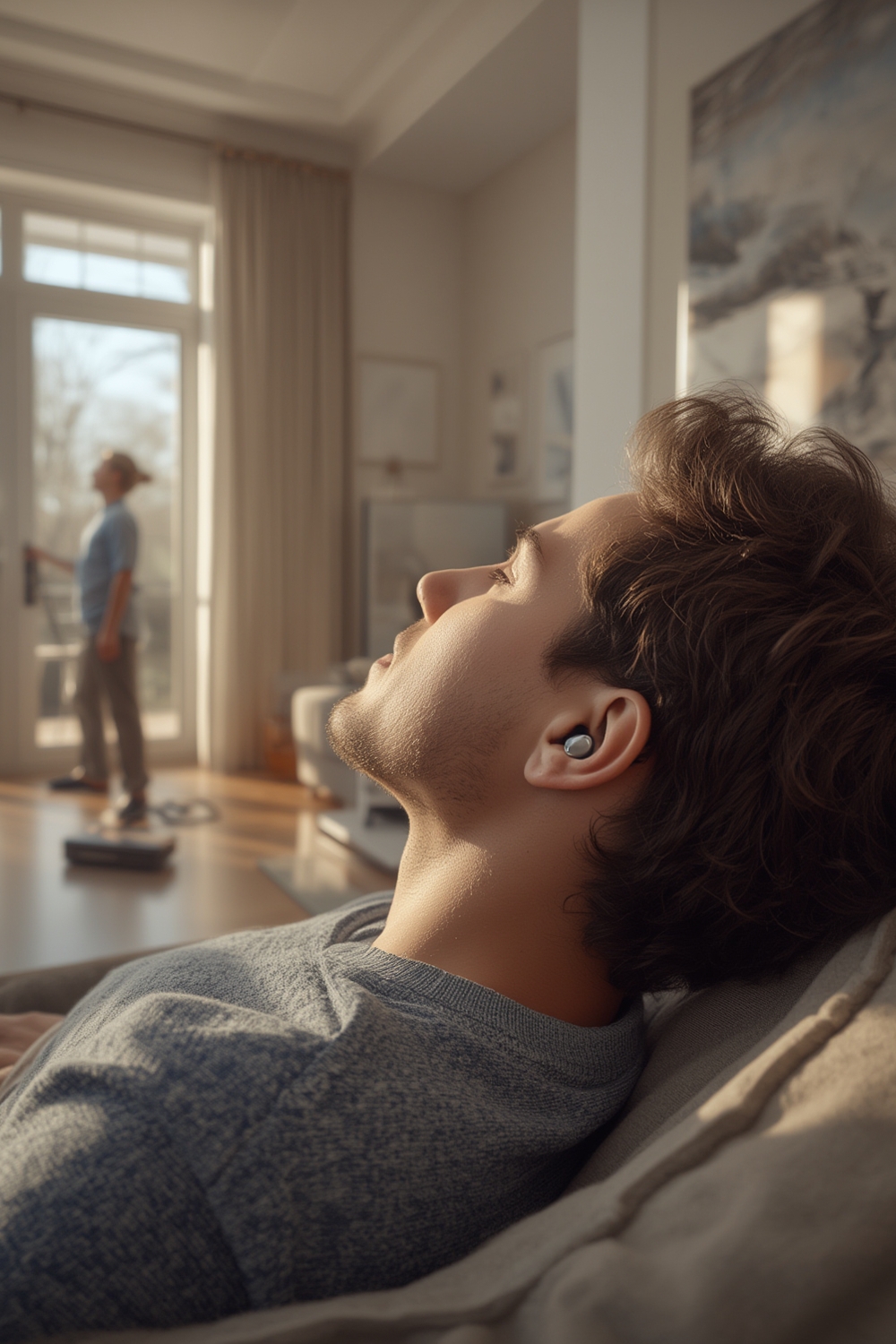
Flagship models like the Bose QuietComfort Ultra Earbuds Gen 2, Sony WF-1000XM6, and Apple AirPods Pro 3 ship with adaptive ANC and proprietary AI audio personalization. Bose focuses on low-frequency noise, Sony leans into AI-powered calls, and Apple leads for pure noise reduction. If you want to understand how AI makes earbuds “smart,” see this deep dive on wireless earbuds ai sound adjustment.
The “6” designation means you’re looking at the latest hardware and algorithms. These models bring real advancement over previous generations, not just incremental changes. Choosing right means trading off between comfort, price, features, and adaptive intelligence.
Step-by-Step Guide: Choosing and Using AI Noise Cancelling Earbuds 6
Buying high-end ai noise cancelling earbuds 6 is more than just picking a brand. Here’s how to do it right:
- Set budget and priorities. Decide if you value maximum ANC (Bose or Apple), call clarity (Sony), battery life (Sony), or feature-rich controls (JBL Tour Pro 3). Most premium models cost about $250, while some budget options deliver 83% of the ANC for less.
- Evaluate fit and comfort. Sony offers various ear tip sizes, Apple redesigned their tips for security, but JBL’s larger size may not work for all ears. Try before you buy, if possible.
- Check adaptive features. ANC strength isn’t everything—ensure the model has good transparency mode and reliable AI adjustment to ambient changes. Bose and Sony score highest in user confidence here.
- Review battery stats & app support. The Sony WF-1000XM6 offers up to 10 hours (ANC on) per bud. Apple and Samsung trail slightly. Also, look for robust app controls for fine-tuning AI sound adjustment.
- Compare by cost-per-feature. Since warranties are still unclear, value advanced ANC, AI call tech, and battery over gimmicks.
- Read real user reviews for complaints. Look for clarity on comfort during long sessions, connection dropouts, or glitches in adaptive AI adjustment. The best models avoid most of these issues, but it’s worth checking independent sources.
For more hacks and deep tests on adaptive noise cancellation earbuds, compare feature breakdowns and reliability scores across generations.
Advanced Analysis & Common Pitfalls
User expectations and real earbud performance don’t always align. These are the most common pitfalls, with hard lab data and user review takeaways.
Common Pitfalls
- Discomfort: JBL Tour Pro 3’s large housing can be awkward for users with smaller ears, despite multiple included ear tips.
- ANC Limitations: While Bose and Apple deliver exceptional noise reduction (up to 90%), some frequencies—especially sudden sharp sounds—still leak through.
- Adaptive AI inconsistency: Samsung Galaxy Buds 4 Pro scored the lowest ANC among the leaders, at roughly 83% noise reduced. Adaptive switching sometimes falls short in very dynamic environments.
- Missing warranty/durability clarity: None of the major 2026 reviews detail exact warranty programs or real-world durability stats, which leaves cost of ownership blurry.
- Incomplete cost-per-feature transparency: Most premium options cluster around $250, but budget models like CMF Buds 2 Plus compete on ANC alone for much less. Per-feature ROI is often ignored by reviewers.
Comparative Table: 2026 Flagship ANC Earbuds
| Model | ANC Rating | Battery (ANC on) | Adaptive AI Features | Estimated Price (USD) | Comfort |
|---|---|---|---|---|---|
| Bose QC Ultra 2nd Gen | 9.5/10 | ~8 hrs | Best at low frequencies, advanced AI | $250+ | Very good, multiple tips |
| Sony WF-1000XM6 | 9.0/10 | 10 hrs | AI for calls, app controls | $240-260 | Excellent, best ear tip variety |
| Apple AirPods Pro 3 | 90% noise blocked | 6-8 hrs | AI adaptive ANC, transparency | $250+ | Improved fit, soft tips |
| Samsung Galaxy Buds 4 Pro | 8.5/10 (~83%) | ~6-7 hrs | Good ambient, mid-tier AI | $249.99 | Good, lighter than most |
| JBL Tour Pro 3 | 83–84% noise blocked | 8-9 hrs | Feature-rich, future-proof | $230–250 | Mixed, bulky for some |
If you’re curious about how these cost and performance numbers compare to previous iterations, check out our detailed AI audio personalization breakdown for past versions.
Conclusion
The best ai noise cancelling earbuds 6 models of 2026 have mastered environment-based sound blocking and adaptive audio, but there’s still no one-size-fits-all. Sony excels in battery and call clarity, Bose owns pure ANC, and Apple leads for universal noise blocking. Comfort, price, and adaptive reliability are where you’ll notice the real differences after hours of wear.
If you’re upgrading, don’t just buy on brand—focus on your top daily needs, confirm comfort, and verify real-world noise reduction. For deeper dives into advanced adaptive earbuds tech and comparisons with smart wearable audio, explore our related articles. Ready to hear what you’ve been missing? Test these earbuds in person and let the data—not just the marketing—guide you.
FAQ
What makes 2026’s ai noise cancelling earbuds 6 better than previous models?
New models feature AI that can block up to 90% of ambient noise, with improved transparency modes and adaptive algorithms. Comfort and audio personalization have also made significant progress. See the latest lab benchmarks for specifics.
Which earbuds have the best AI-powered call quality?
The Sony WF-1000XM6 stands out for call clarity thanks to its AI sound processing. Users report crisp voice transmission even in busy environments. More details are in our wireless earbuds ai sound adjustment comparison.
How long does the battery last on premium AI noise cancelling earbuds 6?
Battery life varies: Sony offers up to 10 hours (33 total with the case), Apple delivers around 6-8 hours, and Bose totals roughly 8 hours per charge. Samsung and JBL are slightly lower, but all are suitable for full-day use.
Are there any common technical issues with these earbuds?
Most users do not report significant AI reliability or connectivity problems on major models. Discomfort due to earbud size (especially JBL Tour Pro 3) and less effective adaptive switching on Samsung Galaxy Buds 4 Pro are occasional complaints.
What should I consider if I want the best cost-effectiveness?
Compare price-per-feature closely. Budget models like CMF Buds 2 Plus deliver solid ANC for much less, but pay attention to battery, AI reliability, and comfort. Get more tips on cost-effective AI earbuds choices here.
—
