

portable power station solar generator 6 is becoming a search trend for users needing off-grid energy solutions, especially for camping, emergencies, and remote work. But does a “6” model even exist, or is it a wishful keyword? Let’s cut through the noise and address what you really need to know about choosing and using modern portable power station solar generators in 2024.
Key Takeaways
- The “portable power station solar generator 6” is not a standard product but represents a trend for more powerful, efficient generators.
- lithium iron phosphate (LiFePO₄) batteries and modular capacity are top trends driving the 2024 market.
- Real-world challenges include solar charging variability, up-front cost, and technical knowledge requirements for safe operation.
- Understanding the Portable Power Station Solar Generator 6 Concept
- Step-by-Step Guide: Selection, Setup, and Optimization
- Advanced Analysis and Common Pitfalls
- Conclusion
- FAQ: Portable Power Station Solar Generator 6
Understanding the Portable Power Station Solar Generator 6 Concept
There is no widely available product officially named “portable power station solar generator 6,” but the search trend reflects rising demand for multi-functional, sixth-generation or high-capacity power stations. Leading brands such as Goal Zero and Bluetti have released updated models like the Yeti 700 and Apex 300, featuring lithium iron phosphate batteries for longer lifespan and faster charging.
These devices merge advanced lithium battery technology, modular capacity, and solar compatibility. Use cases range from camping to construction sites and backup for home healthcare devices. With projected global market growth up to USD 4.9 billion by 2024, the trend is clear: reliable, portable, and solar-ready solutions are in demand for energy independence and resilience.
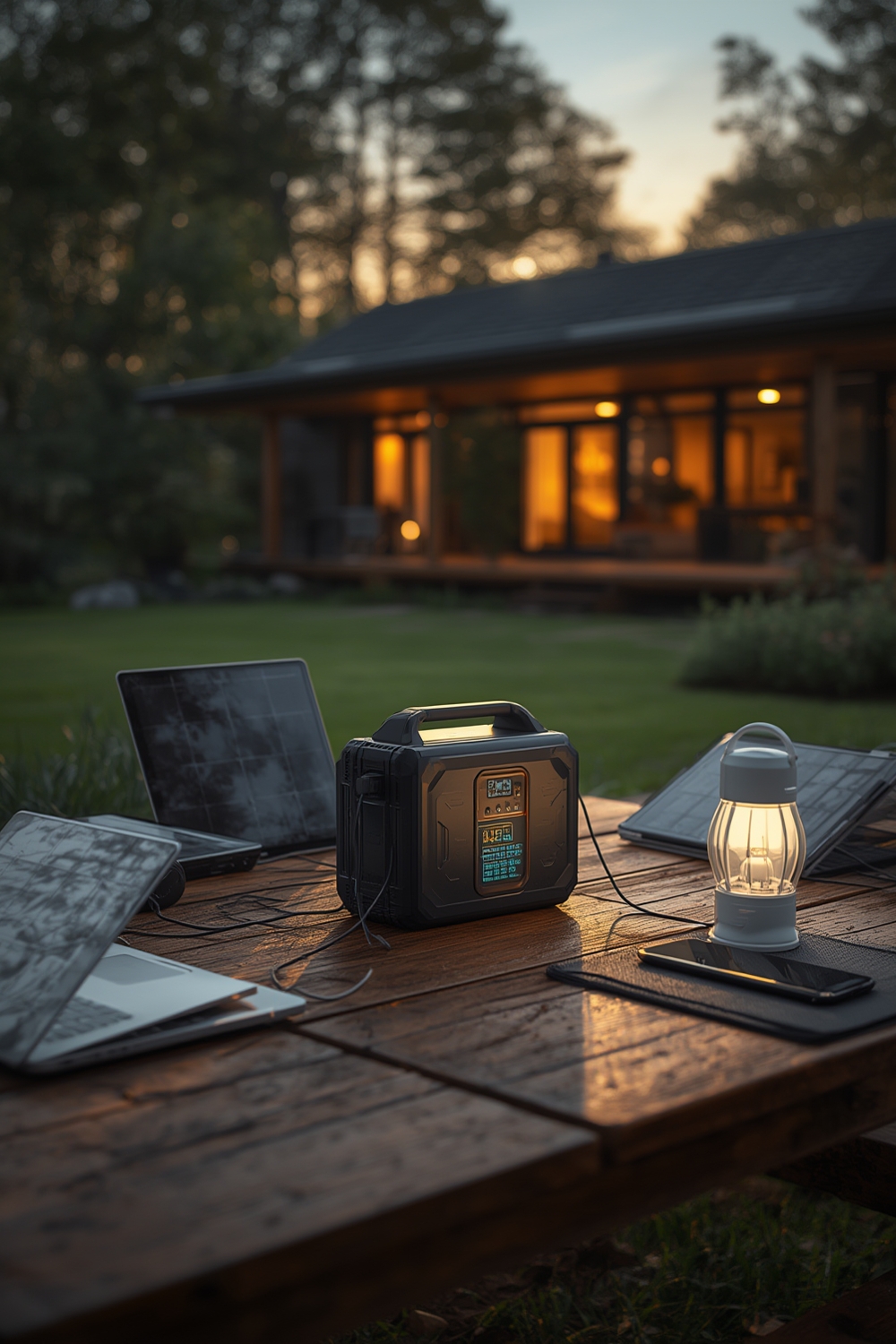
Step-by-Step Guide: Selection, Setup, and Optimization
Considering a “portable power station solar generator 6“? Here’s how to navigate selection, setup, and real-world use—without getting overwhelmed by marketing hype or technical jargon.
- Identify Your Power Needs: Calculate the total watt-hours your main devices (laptop, CPAP, phone, fridge) require per day. Add a 20% buffer for cloudy days or unexpected loads.
- Choose the Right Model: Prioritize models with modular capacity (like Bluetti Apex 300) or scalable batteries. For ultra-portability, stick below 15kg, but for full backup, storage above 1kWh is ideal. Check for solar compatibility and rated solar input.
- Compare Charging Methods: Choose units with both AC wall charging and solar charging support. Look for models using Maximum Power Point Tracking for faster solar input, as seen in advanced Goal Zero and Jackery models.
- Set Up & Test Before You Need It: Connect devices and test runtime before a critical trip. Try charging from both grid and solar panels. Practice safe storage according to the manufacturer’s instructions.
- Optimize Runtime: Use DC output for laptops/LED lights to minimize conversion waste. Charge devices during the solar day, and avoid running heat-generating appliances (like kettles) unless your power reserve is high.
- Enable Smart Monitoring: Advanced stations offer Bluetooth or WiFi app monitoring. Set alerts for low battery or overheating, and analyze usage trends to optimize future power decisions.
- Maintain & Service: Periodically cycle (discharge and recharge) your station if stored; keep solar panels clean and free of shade. Check warranty and support resources before a major trip.
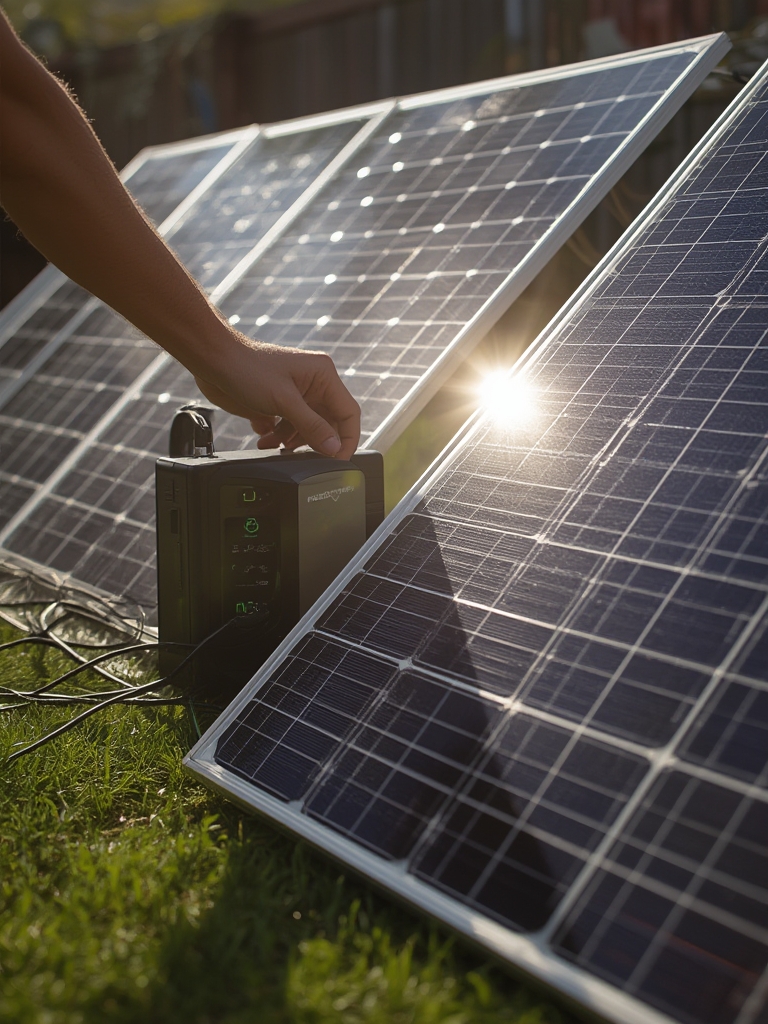
Looking to expand your off-grid tech setup? See our guide on smart LED light panels for camping and creative setups.
Advanced Analysis and Common Pitfalls
The rapid evolution of portable power stations brings serious benefits, but also hidden pitfalls for the unprepared buyer or user. Here’s what the research and real-world data reveal.
- Myth: Solar charging is always reliable – Inconsistent sunlight, panel angle, and temperature can double or triple charging time. Always verify rated input vs. true solar output in your environment.
- High Upfront Cost – LiFePO₄-based systems are safer and last longer but cost 20-40% more upfront than legacy lithium-ion models. Budget accordingly.
- Repair and Support Issues – New brands may lack verified service networks or user-replaceable parts, leading to long downtimes during critical failures.
- Overloading – Plugging in heat-based appliances (kettles, coffee makers) will overwhelm smaller stations—even if the total wattage seems to fit. Know your inverter and output ratings intimately.
- Compatibility Frustrations – Not all solar panels work universally. Check connectors and voltage ranges or risk wasted money on incompatible gear.
Wired for more “energy independence”? Read the actionable solar generator backup power action guide here.
| Feature | Li-Ion (Older Gen) | LiFePO₄ (Current Trend) |
|---|---|---|
| Cycle Life | ~500 cycles | 2000+ cycles |
| Charging Speed | 3-8 hours (solar) | 2-4 hours (solar with MPPT) |
| Cost (per Wh) | Lower | Higher (but falling) |
| Weight | Light-medium | Often heavier/higher density |
| Safety | Sensitive to heat/impact | Much more stable |
Want more insights into the latest features? Our portable power station solar generator 5 analysis dives into system differences and practical buying tips.
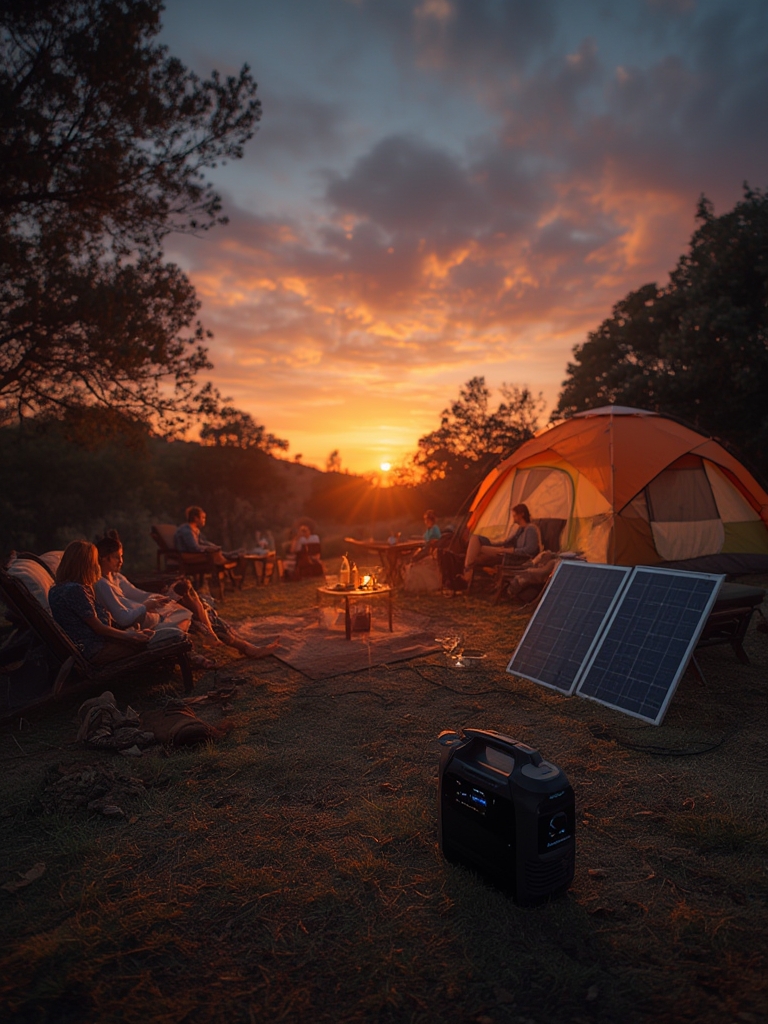
Curious about the broader trend in battery-powered technology? Discover how AI smart rings are transforming the wearables market.
Conclusion
While the portable power station solar generator 6 may be a catch-all phrase, it highlights what consumers are now seeking: high-capacity, reliable, and fast-charging portable solutions for off-grid and emergency needs. By understanding battery types, actual charging times, and compatibility, you avoid the most common purchasing regrets and technical frustrations.
Ready to future-proof your portable energy setup? Take the next step—analyze your needs, understand the latest tech specs, and select a proven model. Always reference verified review sites and product datasheets before investing.
Get more hands-on guides and real-world tests via our full portable power station solar generator series.
FAQ: Portable Power Station Solar Generator 6
Is there an official “portable power station solar generator 6” product available?
No, there is no widely recognized model or portable power station on the market officially called “portable power station solar generator 6.” The phrase usually refers to the sixth iteration of advanced or high-capacity solar generators.
What key features should I prioritize when buying a portable power station solar generator?
Prioritize lithium iron phosphate (LiFePO₄) batteries for longevity, modular capacity for scalability, MPPT support for solar charging, and verified brand support for repair/warranty needs. Also ensure solar panel compatibility with your target power station.
How accurate are the “solar charging times” listed on manufacturer websites?
Real-world solar charging times are often longer than marketing claims, due to weather, sun angle, and panel quality. Always assume 20-30% less efficiency in real-life outdoor scenarios.
Are there alternatives to solar charging?
Yes, nearly all modern models support AC wall charging and some offer car charging or even USB-C PD input. However, these alternatives may not be available off-grid, which makes high-efficiency solar input crucial for outdoor or emergency scenarios.
Do portable power station solar generators have enough power for high-draw appliances?
Most portable models can reliably power devices like laptops, medical equipment, lights, and phones. However, running heat-heavy appliances like kettles or space heaters may quickly deplete even large-capacity stations or overload the inverter. Always check max continuous and surge output ratings.
