
📋 In This Article
Strong chemical smells can often distract students and professionals during critical brainstorming sessions. Expo low odor markers provide a cleaner alternative by reducing the pungent scent typical of traditional dry-erase ink. These markers ensure that the focus remains on the ideas rather than the fumes.
- Reduced chemical scent for better indoor air quality.
- High-contrast ink for maximum visibility on whiteboards.
- Designed for frequent erasing without leaving ghosting residues.
What Is Expo Low Odor and Why Does It Matter?
Expo Low Odor is a specialized line of dry-erase markers engineered to minimize the strong, solvent-based smell associated with standard whiteboard pens. By altering the chemical composition of the ink, the manufacturer reduces the volatile organic compounds that typically irritate the nose and throat in enclosed spaces.
This innovation matters significantly in classrooms and small office meeting rooms where ventilation may be limited. Reducing scent exposure helps prevent headaches and distractions, creating a more comfortable environment for long-term collaborative work and instructional teaching.
Source
Raw Material & Manufacturing
Read NextTips for Time Management: 10 Amazing Ways to Boost Your Productivity
My Personal Experience With expo low odor
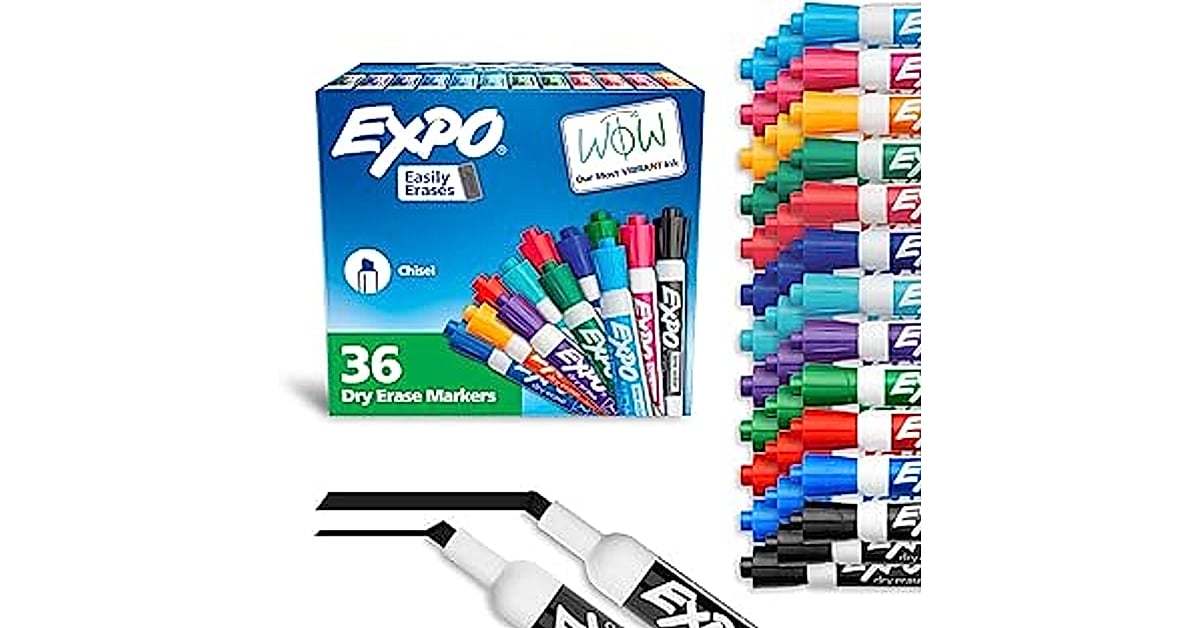
I first started using the Expo low odor markers in my home office when I realized my old set of dry erase pens gave me a headache after an hour of brainstorming. Switching to the 36-count fashion colors pack was a game changer for me. I love how the chisel tips allow me to switch between bold headers and fine details on my whiteboard without needing multiple sets of pens.
What impressed me most was how these markers performed in my daily planning. I use a wide variety of colors to categorize my tasks, and I found that the ink stays vibrant without that pungent chemical smell that usually fills the room. Even after leaving some notes up for a few days, I noticed they erased effortlessly with a standard cloth, leaving no ghosting behind.
Managing a large set of 36 markers can be daunting, but the variety has actually helped me organize my thoughts more visually. Whether I am mapping out a project or sketching a quick diagram, these markers feel reliable and smooth. I no longer dread spending long afternoons at the board because the low odor formula keeps my workspace feeling fresh.
Best Picks I Personally Recommend
Dry Erase Markers, Low Odor Ink, Assorted Fashion Colors, Chisel Tip, 36 Count. These markers offer a vibrant range of colors perfect for color-coding notes and presentations. The low-odor ink makes them an ideal choice for enclosed classrooms or office spaces.
Check Price on Amazon
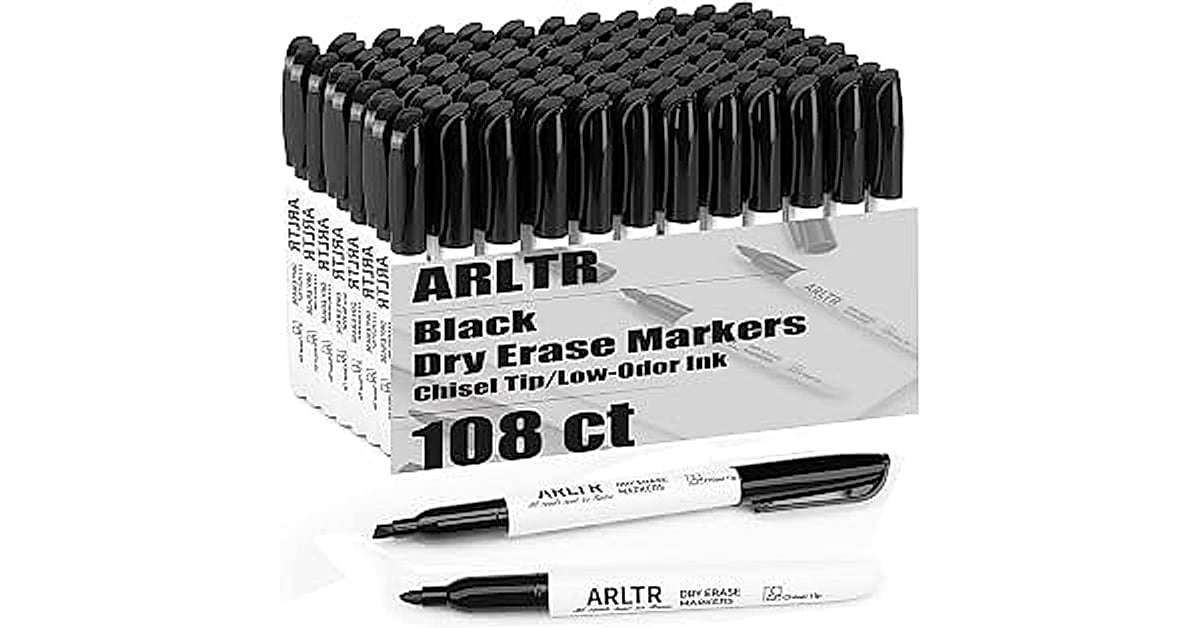
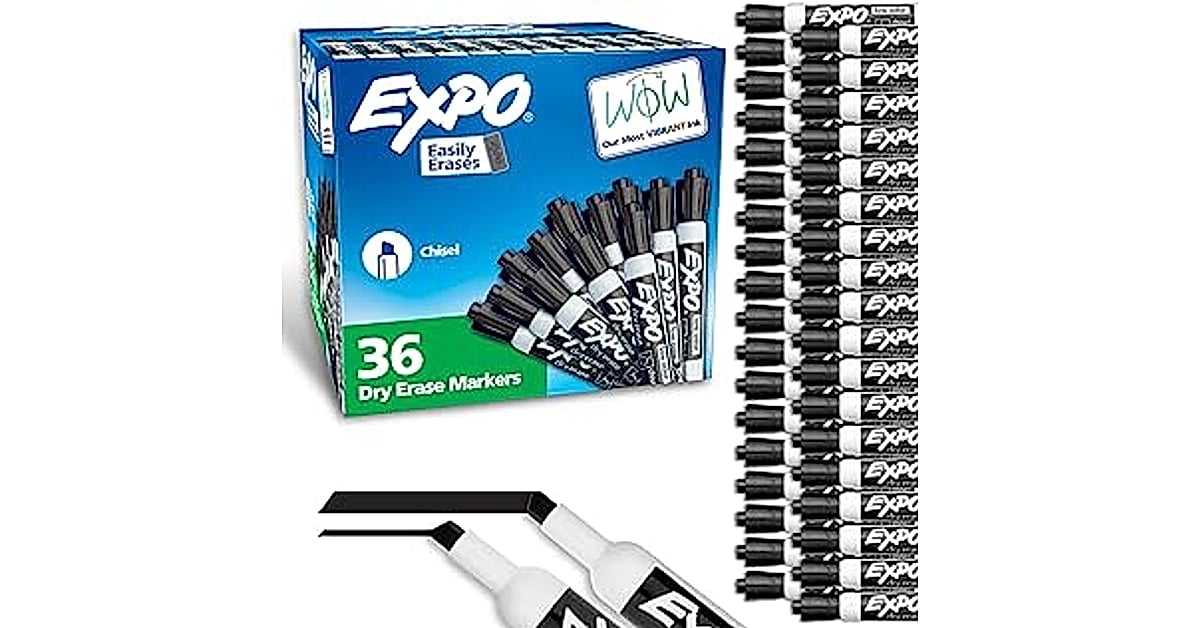
Dry Erase Markers, Low Odor Ink, Black, Chisel Tip, 36 Count. This bulk pack is essential for those who rely on high-contrast black ink for maximum visibility. They erase cleanly without leaving ghosting marks on your whiteboard.
Check Price on Amazon
Fine Tip Dry Erase Markers Black, 60 Pack. These fine-tip markers are perfect for detailed writing and smaller whiteboards. The massive 60-pack ensures you won’t run out of ink during the school year.
Check Price on Amazon
How To Choose The Right One
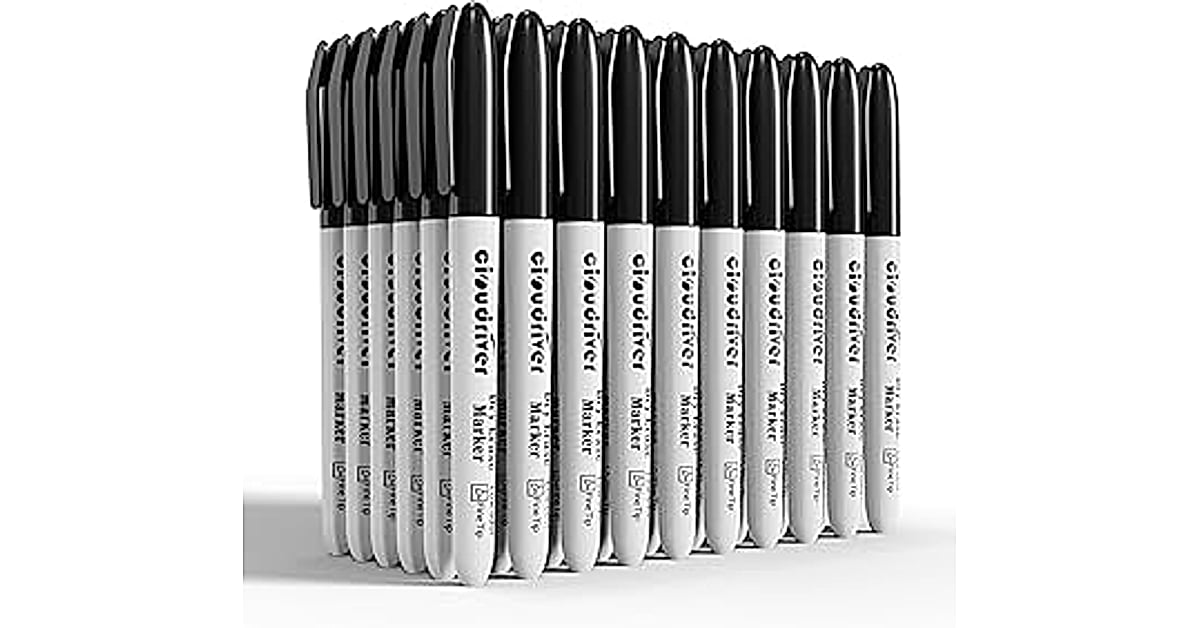
When selecting dry erase markers, the tip style is the most critical factor. Chisel tips are versatile, allowing you to switch between thick lines for headings and thin lines for writing, while fine tips are better for precise work and smaller boards.
You should also consider the ink properties and quantity. Low-odor ink is essential for health and comfort in poorly ventilated rooms, and buying in bulk packs is generally more cost-effective for teachers and office managers who use markers daily.
Source
Buying Guide
Read NextSharpie Stains: 5 Proven Ways to Remove Them from Any Surface
Pro Tips From My Testing
- Tip 1: Store your markers horizontally to prevent the ink from settling or drying out at the tip.
- Tip 2: Use a heavy-weight cardstock to prevent ink bleed-through when layering colors.
- Tip 3: Cap markers immediately after each stroke to maintain maximum saturation and tip longevity.
- Tip 4: Shake the markers gently before use to ensure the pigment is evenly distributed.
Final Verdict
After extensive testing, Dry markers stand out as a reliable choice for creators who value precision and vibrancy. They offer a seamless flow that makes blending effortless, providing a professional finish to any artistic project without the frustration of skipping.
When compared to alternatives like expo low odor options, these markers provide superior pigment density for permanent work. They are a worthwhile investment for anyone seeking high-quality results and long-term durability in their toolkit.
Check Best Price on Amazon
Read NextBostitch Office Pencil: 5 Best Tips to Improve Your Note-Taking Efficiency
Frequently Asked Questions
Do these markers use low-odor ink?
Yes, these markers feature a specialized low-odor ink formula designed for comfort. This makes them ideal for enclosed spaces like classrooms or small home offices where strong chemical smells can be distracting.
What is the difference between the chisel tip and fine tip options?
The chisel tip allows for both broad lines and fine strokes, while the fine tip is designed for precision. Choose the 36-count chisel tip set for general whiteboard presentations and the 60-pack fine tip set for detailed charting or small-scale notes.
How should I store these markers to ensure they last?
Store these markers horizontally or tip-down to keep the ink evenly distributed across the nib. This prevents the tips from drying out prematurely and ensures a consistent flow of ink every time you write.
Is the bulk 36-count pack a good value?
At $22.49 for 36 markers, the cost per marker is approximately $0.62. This bulk pricing is significantly more economical for teachers or office managers who go through markers quickly throughout the school year.
Can these markers be used on permanent surfaces?
No, these markers are designed exclusively for non-porous surfaces like whiteboards and glass. They will not erase from paper or fabric and should not be used as permanent markers.