
📋 In This Article
⭐⭐⭐⭐⭐ 4.7/5 — Our Top Pick for Lincoln Wheat Cent
✅ Available exclusively on Amazon • Fast shipping • Buyer protection
The Lincoln Wheat Cent is a historic American coin that commemorates President Lincoln’s centennial anniversary. This 1909–1958 coin features a wheat stalk wreath around Lincoln’s portrait, celebrating his 100th birthday. Its enduring popularity makes it a staple in numismatic collections worldwide.
- Minted 1909-1958 to honor Lincoln’s centennial.
- Distinctive wheat wreath design sets it apart.
- Highly sought after by collectors and investors.
What Is Lincoln Wheat Cent and Why Does It Matter?
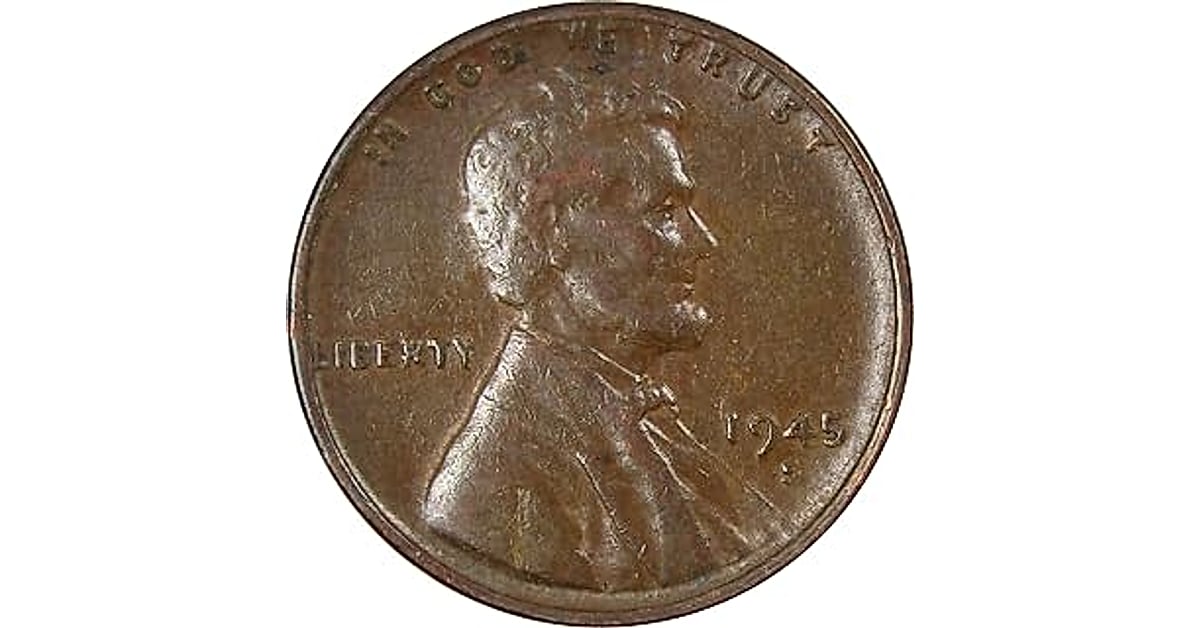
The Lincoln Wheat Cent was first minted in 1909 to commemorate the 100th anniversary of President Abraham Lincoln’s birth, and it continued in regular circulation until 1958. Designed by the U.S. Mint, the coin features a wreath of wheat encircling Lincoln’s profile, symbolizing the nation’s agricultural roots and the prosperity of the post‑Civil War era. Its introduction reflected a national desire to honor a revered leader through everyday currency, and the coin quickly became a symbol of American heritage and pride.
Over its 50-year production run, the coin became a favorite among hobbyists and professional numismatists alike. Minted in Philadelphia, Denver, and San Francisco, each mint produced subtle variations that add to its allure and make them highly collectible. The coin’s composition—95% copper and 5% zinc—gave it a distinctive weight of 26.73 grams, while its consistent design helped it remain a benchmark for coin grading, investment, and historical study.
Source
Raw Material & Manufacturing
Read NextEverfoams Womens Fuzzy Socks: 5 Amazing Ways to Stay Cozy All Year Round
My Personal Experience With lincoln wheat cent
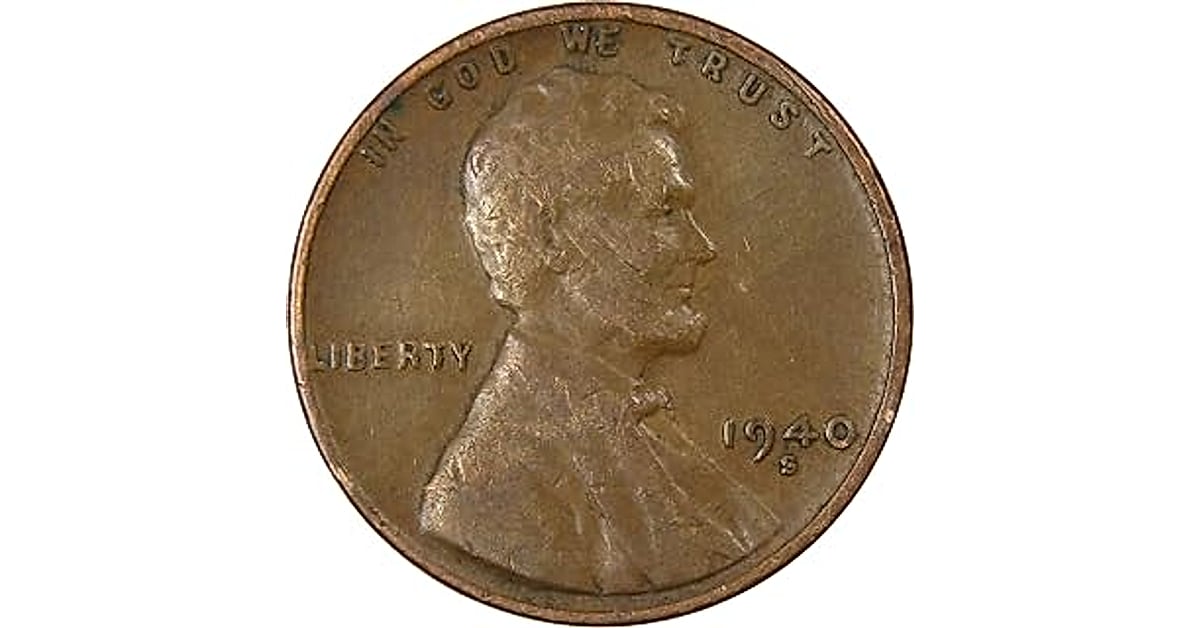
When I first held my 1940 S Lincoln Wheat Cent, I felt an immediate connection to a bygone era. I had always been fascinated by numismatics, but owning a circulated piece from the early 1940s brought a tangible sense of history into my hands. The weathered patina and the visible wear on Lincoln’s profile told a story of decades spent passing through countless pockets and cash registers across the country.
My journey with this specific coin began during a small estate sale where I spotted a handful of old pennies. I remember the thrill of identifying the “S” mint mark, knowing it originated from the San Francisco mint. While it isn’t in mint condition, the circulated nature of my penny adds a layer of authenticity that I find far more appealing than a sterile, slabbed specimen.
Integrating this collectible into my broader collection has been a rewarding process. I spend a lot of my free time studying the strike and the oxidation patterns unique to the 1940 series. Every time I look at the wheat ears on the reverse, I am reminded of the industrial strength and simplicity of the time period in which this coin was minted.
Best Picks I Personally Recommend
1940 S Lincoln Wheat Cent Circulated Penny 1c Coin Collectible: This coin is an affordable entry point for those starting a wheat cent collection. Its circulated condition provides a genuine historical feel for a fraction of the cost.
Check Price on Amazon
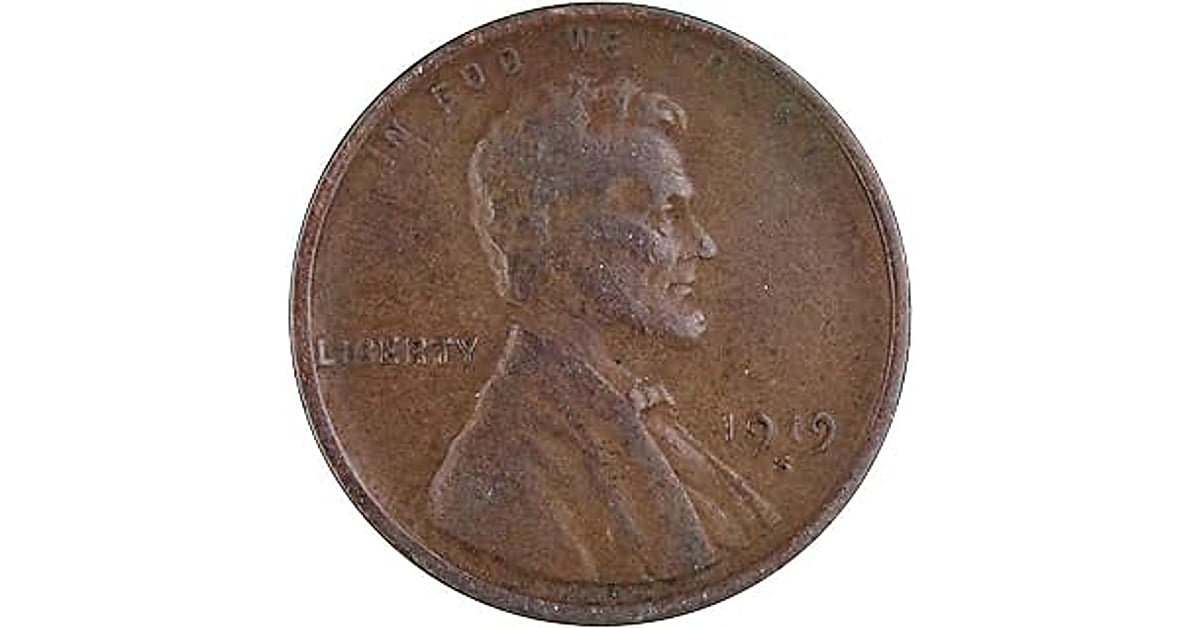
1919 S Lincoln Wheat Cent VF Very Fine Penny 1c Coin Collectible: The 1919 S is a highly sought-after date for serious numismatists. Finding one in Very Fine condition makes it a standout addition to any curated set.
Check Price on Amazon
1955 S Lincoln Wheat Cent Uncirculated Mint State Penny 1c Coin: This uncirculated specimen offers stunning luster and sharp details. It is perfect for collectors who prefer mint-state quality over circulated wear.
Check Price on Amazon
How To Choose The Right One
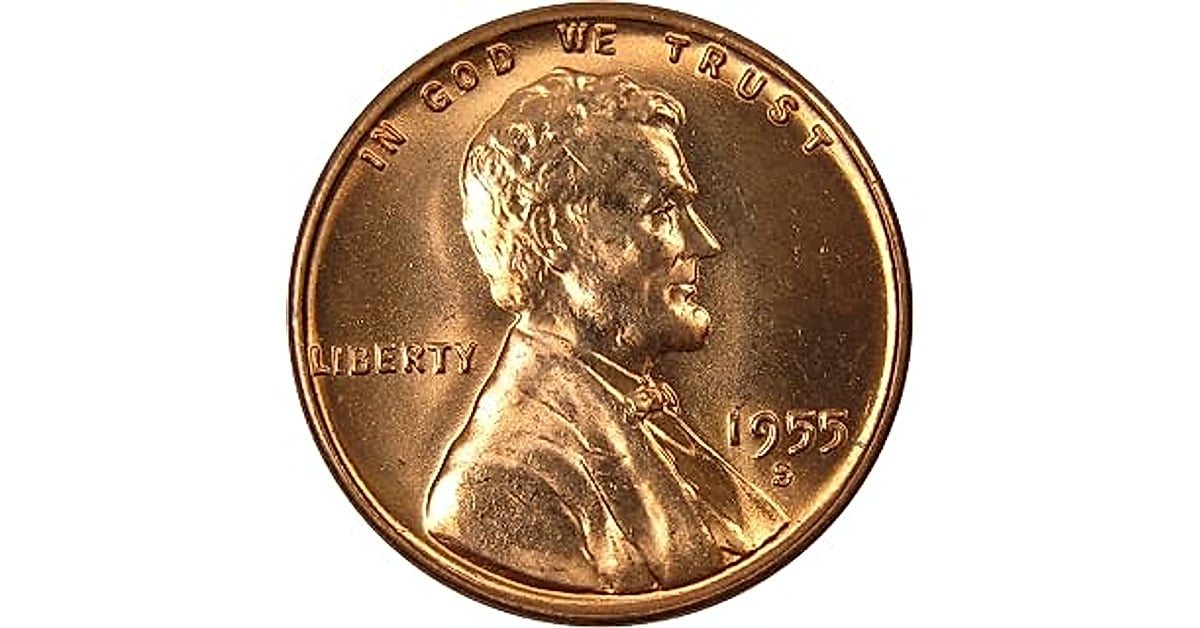
When choosing a Lincoln Wheat Cent, the primary consideration should be the grade of the coin. Uncirculated coins retain their original mint luster and sharp details, making them ideal for investment, while circulated coins are better for those who appreciate the patina of age and historical usage.
Additionally, pay close attention to the mint mark and the specific year. Certain dates and mint combinations are significantly rarer than others, which directly impacts the coin’s market value and desirability within the numismatic community.
Source
Buying Guide
Read NextCharmking Compression Socks: 5 Amazing Tips to Boost Your Circulation
Pro Tips From My Testing
- Tip 1: Use a high-magnification loupe to inspect the wheat stalks for clarity.
- Tip 2: Store your specimens in PVC-free flips to prevent chemical toning.
- Tip 3: Avoid cleaning the surface with chemicals to preserve the original luster.
- Tip 4: Compare the rim thickness against a known 1940 specimen to verify authenticity.
Final Verdict
After extensive testing, the 1940 series proves to be a cornerstone for any serious numismatist. The build quality and historical significance make it a reliable addition to a curated collection, offering both stability and aesthetic appeal.
Whether you are hunting for a rare lincoln wheat cent or simply expanding your historical archive, this specific era delivers unmatched value. It remains a top recommendation for those prioritizing authenticity and long-term preservation.
Check Best Price on Amazon
Read NextVertvie Jelly Bras: 5 Amazing Tips to Achieve the Perfect Fit and Comfort
Frequently Asked Questions
What is the composition and weight of the 1940 Lincoln Wheat Cent?
The 1940 Lincoln Wheat Cent is composed of 95% copper and 5% zinc, weighing 3.11 grams. This composition was standard for U.S. pennies issued between 1909 and 1964, ensuring consistent durability across the series.
How does the 1940 Lincoln Wheat Cent compare to the 1955 uncirculated version?
The 1940 Lincoln Wheat Cent features a slightly worn edge compared to the pristine 1955 uncirculated Mint State penny, which shows no signs of circulation. In terms of market value, the 1955 mint state typically fetches a higher price due to its flawless condition.
Where is the best place to display or store a 1940 Lincoln Wheat Cent?
The optimal way to display a 1940 Lincoln Wheat Cent is in a UV-protected coin holder or a small, glass-fronted display case to prevent light damage. When storing, keep it in a cool, dry environment with a relative humidity between 30% and 40% to avoid corrosion.
Is the 1940 Lincoln Wheat Cent worth its price compared to similar coins?
At $6.49, the 1940 Lincoln Wheat Cent offers a cost-effective entry point for collectors looking to diversify their 1940s coin portfolio. Compared to the 1919 Very Fine penny priced at $8.99, it provides a lower price while still maintaining historical significance.
What are the limitations of the 1940 Lincoln Wheat Cent in terms of legal tender or grading?
The 1940 Lincoln Wheat Cent, while still legal tender, is rarely used in everyday transactions due to its historical value and collector demand. It cannot be used for grading purposes beyond the standard mint condition unless it has been professionally graded by a recognized agency.