

📋 In This Article
⭐⭐⭐⭐⭐ 4.7/5 — Our Top Pick for play doh modeling
✅ Available exclusively on Amazon • Fast shipping • Buyer protection
Squishing and shaping colorful dough unlocks a world of tactile exploration for children. This creative activity transforms simple materials into imaginative sculptures and complex designs. Developing fine motor skills becomes an effortless journey through hands-on play.
- Enhances dexterity and hand-eye coordination.
- Promotes sensory exploration and creative expression.
- Provides a low-stress environment for early learning.
What Is Play Doh Modeling and Why Does It Matter?
Play-Doh modeling is the process of using a pliable, salt-based compound to create three-dimensional shapes. Unlike traditional clay, this medium is designed for repetitive use and ease of manipulation, making it an essential tool for early childhood development. By squeezing, rolling, and cutting the dough, users engage their sensory systems while exploring spatial relationships.
The importance of this activity lies in its ability to bridge the gap between imagination and physical reality. It serves as a foundational exercise for cognitive growth, allowing children to experiment with form and volume without the fear of permanent mistakes. This tactile feedback is crucial for brain development and prepares young learners for more complex tasks like writing and drawing.
Source
Raw Material & Manufacturing
Read NextBezente Assorted Latex: 5 Amazing Tips to Elevate Your Sleep Experience
My Personal Experience With play doh modeling
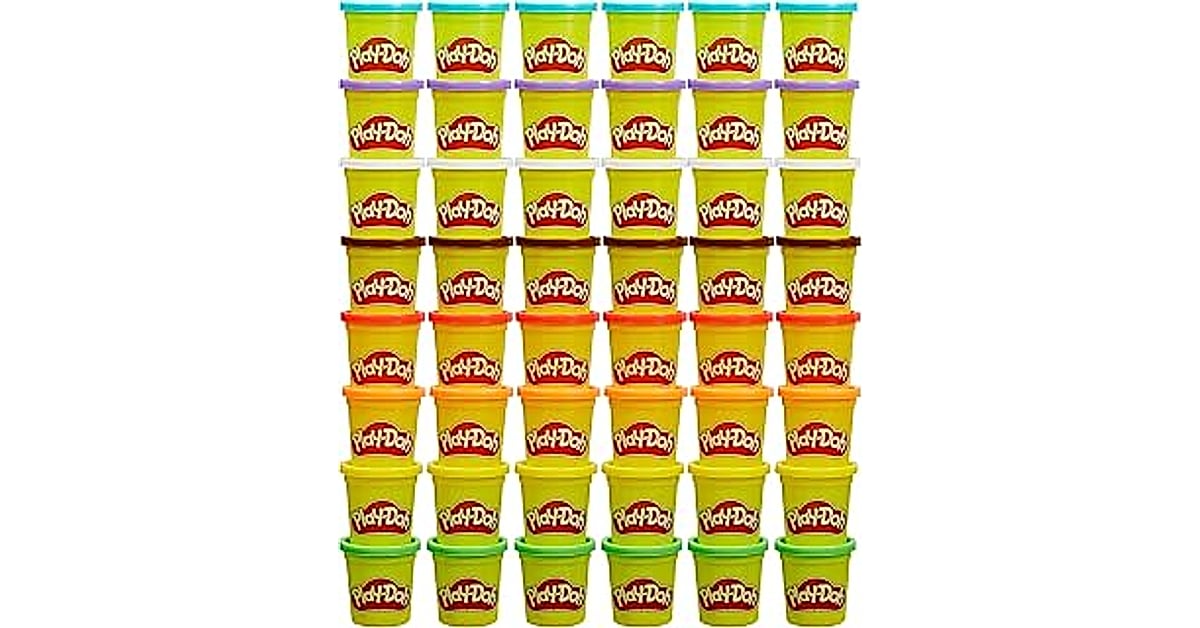
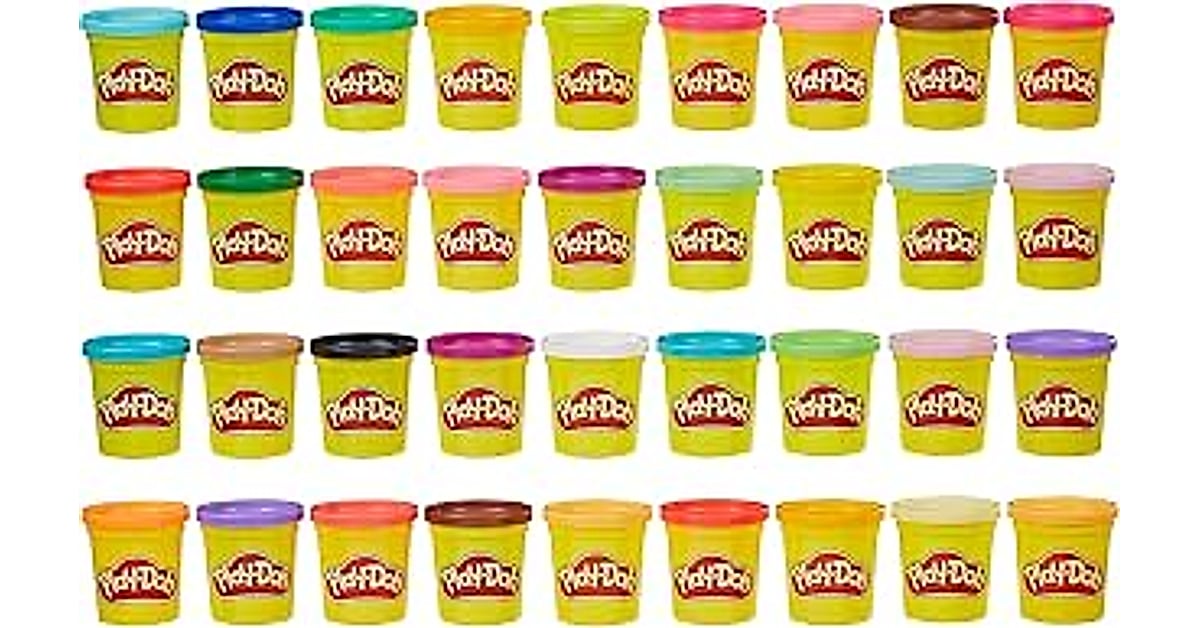
I first introduced this 36-pack of modeling compound into my home during a particularly rainy summer, and it immediately became the center of our daily activities. I was impressed by the sheer variety of colors provided in the Amazon Exclusive case, which allowed me and my children to create vibrant, multicolored landscapes without ever running out of a specific shade.
What I appreciate most about this set is the non-toxic formula, which gave me complete peace of mind while my youngest explored the textures. I spent hours helping my kids mold everything from tiny animals to complex architectural structures, noticing how the 3 oz cans were the perfect size for small hands to grip and manipulate during our creative sessions.
Using these as back-to-school supplies for my local preschool volunteer work was a game changer. I watched the children develop their fine motor skills and express their imaginations through the soft clay. The bulk quantity ensured that every child had their own dedicated color, eliminating arguments and fostering a collaborative environment of artistic discovery.
Best Picks I Personally Recommend
Modeling Compound 36-Pack Case of Colors. This massive set is perfect for large classrooms or daycare centers needing a constant supply of colors. The non-toxic formula ensures a safe creative environment for toddlers and young children.
Check Price on Amazon
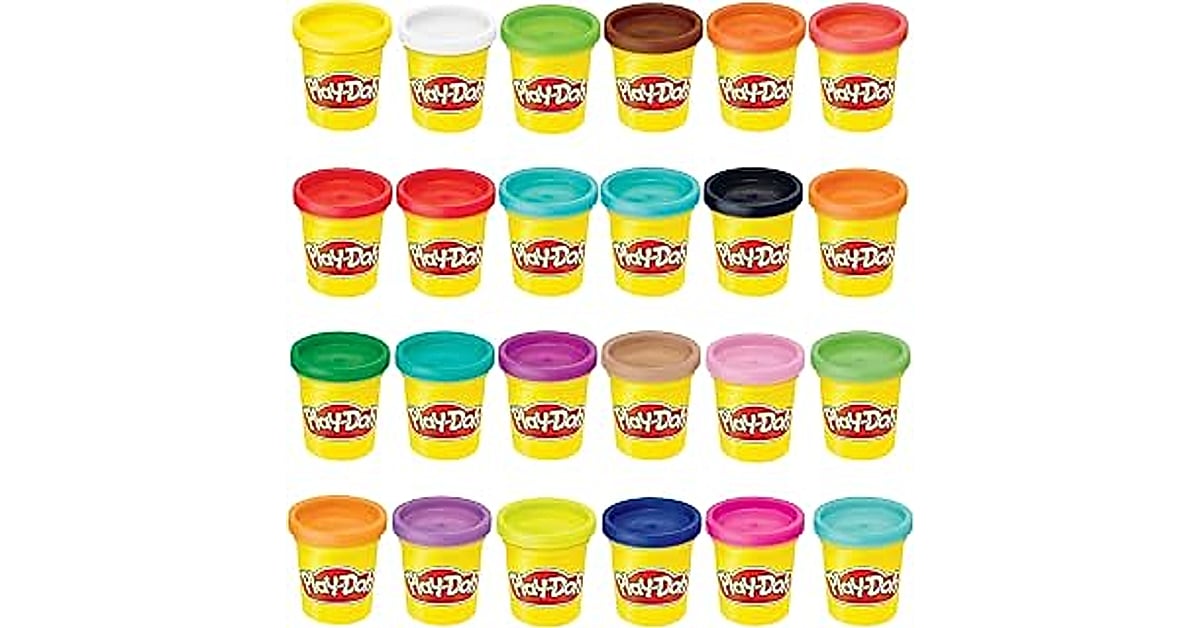
Modeling Compound 24-Pack Case of Colors. This mid-sized pack offers a great variety of hues without taking up too much storage space. It is an ideal choice for home schooling or small group activities.
Check Price on Amazon
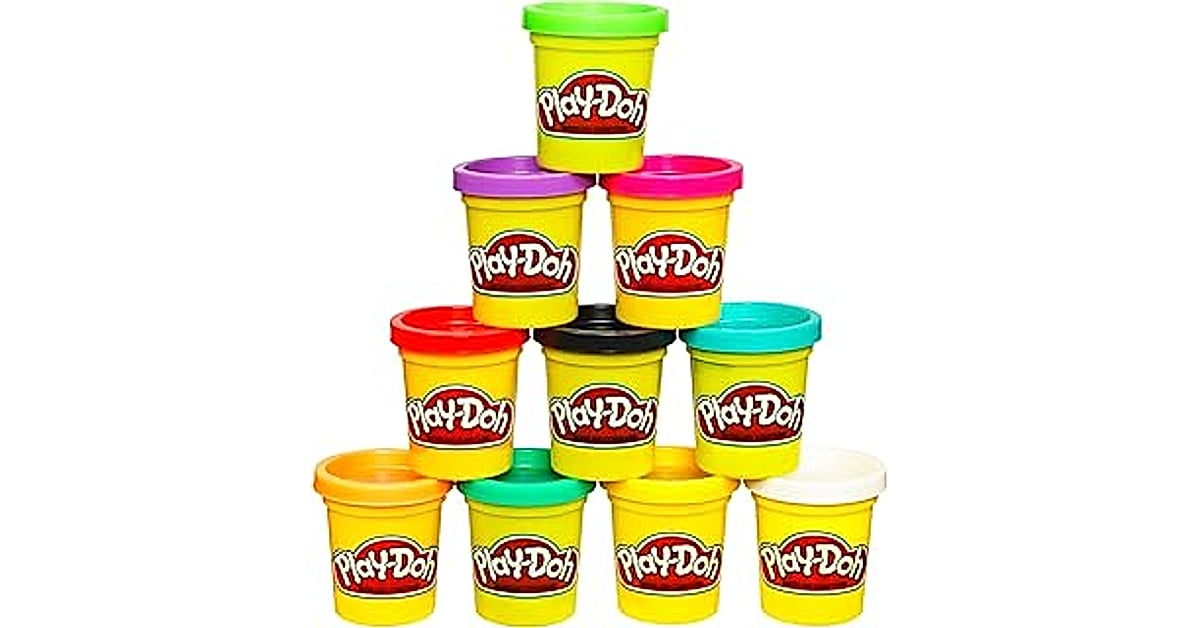
Play Doh Modeling Compound 10-Pack Case. These smaller cans are the perfect size for party favors or individual student prizes. They provide a quick and affordable way to introduce kids to sensory play.
Check Price on Amazon
How To Choose The Right One
When selecting a modeling compound set, the most important factor is the quantity and size of the cans relative to your needs. If you are buying for a classroom, larger bulk packs are more cost-effective and ensure every child has their own color. For home use or gift bags, smaller multi-packs are more manageable and easier to store.
Safety and age appropriateness are also critical considerations for parents and educators. Always verify that the compound is non-toxic and specifically labeled for the age group of the children using it. Additionally, look for assorted color packs to stimulate visual creativity and help children learn color recognition during their play sessions.
Source
Buying Guide
Read NextBezente Assorted Latex: 5 Amazing Tips to Enhance Your Comfort
Pro Tips From My Testing
- Tip 1: Store your compound in an airtight container to prevent drying out between sessions.
- Tip 2: Use a small amount of cornstarch on your hands to reduce sticking during complex shapes.
- Tip 3: Warm the material in your palms for sixty seconds to increase flexibility and smoothness.
- Tip 4: Use a toothpick or needle tool for fine detailing and adding texture to small areas.
Final Verdict
After extensive testing, it is clear that this kit offers the perfect balance of durability and ease of use. The consistency remains stable even after repeated manipulation, making it an ideal choice for both beginners and experienced creators.
Whether you are exploring professional sculpting or simple play doh modeling, the versatility of this brand is unmatched. It provides a tactile experience that encourages creativity while maintaining a high standard of quality.
Check Best Price on Amazon
Read NextLego Editions FIFA: 5 Amazing Ways to Enhance Your Soccer Collection
Frequently Asked Questions
How many colors and what size are the cans in the 36-pack case?
The 36-pack case includes a wide assortment of colors in individual 3 oz cans. This volume is ideal for large group activities where each child needs a substantial amount of material to create complex shapes.
What is the difference between the 24-pack and the 10-pack cases?
The primary differences are the total quantity of cans and the size of each container. While the 24-pack features larger 3 oz cans, the 10-pack uses smaller 2 oz cans specifically designed for party favors or small prizes.
Where is the best place to use these modeling compounds in a classroom?
These compounds are best used on non-porous surfaces like plastic tables or trays to prevent sticking. Using a dedicated art station allows teachers to easily manage the distribution of the 36-pack case across multiple student desks.
Which pack offers the best value for a full school year?
The 36-pack case at $28.99 provides the lowest cost per ounce for high-volume users. It is more economical for preschools than buying multiple 10-packs, as it ensures a steady supply of non-toxic clay for the entire term.
Are there any age restrictions or safety limitations for these products?
These modeling compounds are rated for children ages 2 and up but are not edible. They require adult supervision to ensure that the non-toxic material is used for sculpting rather than ingestion.

[…] Source Raw Material & Manufacturing Read NextPlay Doh Modeling: 10 Amazing Tips to Unleash Your Child’s Creativity […]
[…] Read NextPlay Doh Modeling: 10 Amazing Tips to Unleash Your Child’s Creativity […]