

### Blog Post:
ai noise cancelling earbuds 5 are changing the way we experience personal audio in noisy environments. With new AI-driven adaptive algorithms, today’s top earbuds can create a truly immersive and distraction-free listening experience. But how do these advanced models really perform, and what pitfalls should you watch for if you’re shopping for the latest noise cancelling tech?
Key Takeaways
- AI noise cancelling earbuds 5 leverage advanced processors for stronger, faster noise cancellation and smart environmental adaptation.
- Performance varies—top models like Sony WF-1000XM6 and AirPods Pro 3 stand out for ANC strength, while battery life and mic quality can differ greatly.
- Privacy, app compatibility, and real-time AI learning are often overlooked yet crucial factors that can impact your long-term satisfaction.
- What Makes AI Noise Cancelling Earbuds 5 Different?
- How to Choose and Optimize AI Noise Cancelling Earbuds 5
- Advanced Analysis and Common Pitfalls
- Conclusion
- FAQ
What Makes AI Noise Cancelling Earbuds 5 Different?
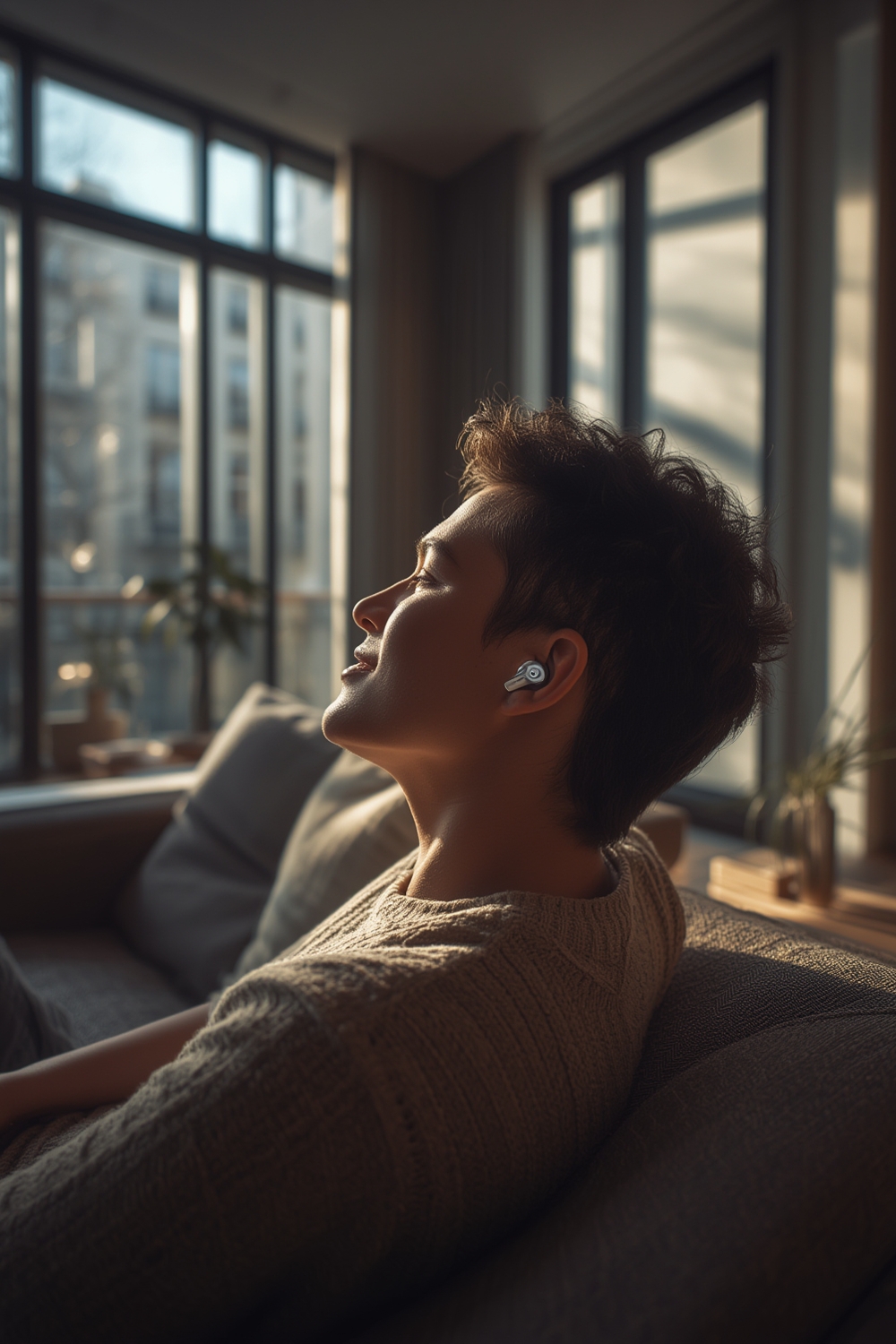
AI noise cancelling earbuds 5 use next-generation adaptive noise cancellation powered by dedicated AI chips. These models analyze your environment in real time and adjust noise cancelling profiles automatically. Compared to older models, they reduce sudden sounds and background chatter much more effectively. This is due to smarter algorithms that process audio input faster and finer. For example, the Sony WF-1000XM6, AirPods Pro 3, and Bose QuietComfort Ultra Gen 2 all feature AI-optimized adaptive noise cancelling, but each uses a unique processor and tuning strategy.
Performance varies even at the high end. The Sony uses the QN1e processor, which is up to three times faster than last-gen, giving it a clear edge in handling dynamic environments. AirPods Pro 3 double the noise cancellation power of AirPods Pro 2, particularly excelling at voices and general noise reduction, closely matched by the Bose QC Ultra Earbuds Gen 2. Sennheiser and Technics round out the leaders, though they trail slightly in high-frequency and voice suppression.
For a detailed look at how each algorithm performs, check the RTINGS best noise cancelling earbuds and Loudnwireless 2026 review.
How to Choose and Optimize AI Noise Cancelling Earbuds 5
Getting the ideal performance from AI noise cancelling earbuds 5 takes careful selection and setup. Here’s a stepwise guide to make sure you get the best results:
- Identify Your Main Use Case. Are you mainly using earbuds for air travel, office work, or city commuting? Pick models tested for your core setting. For airplane and office noise, the Sennheiser MOMENTUM True Wireless 4 and Sony WF-1000XM6 consistently rate high.
- Check Compatibility. Look at app ecosystem support. Some features, like full AI customization, are only available on Android (with certain Samsungs) or iOS with AirPods. Before buying, ensure your device supports all earbud functions.
- Prioritize Battery and Fit. Longer listening sessions? Choose Technics EAH-AZ100 for up to 12.2 hours. Short commutes? Devialet Gemini II blocks more noise but offers just 5 hours of battery.
- Fine-tune AI Modes in the App. Use in-app controls for adaptive ANC—these allow real-time adjustment to your preferences, but options and accuracy differ by brand. Top models often let you adjust noise cancelling profiles for specific scenarios.
- Test in Real Environments. Use real-world environments (busy street, airplane, office chatter) to run tests yourself. Many models adapt over time—give your earbuds a week to “learn” your soundscape for optimal performance.
For more tips on maximizing sound personalization, see our AI Noise Cancelling Earbuds 1 guide and latest tips on AI sound adjustment.
When you want seamless charging on-the-go, combine your earbuds with a magnetic wireless power bank Magsafe for cable-free convenience.
Advanced Analysis and Common Pitfalls
While AI noise cancelling earbuds 5 have advanced significantly, they’re not perfect. Common pitfalls include inconsistent battery life, limited app compatibility, unclear data privacy, and sometimes aggressive or underwhelming AI adaptation.
| Model | Processor/Algorithm | Best Features | Pitfalls | Battery | Price (Estimated USD) |
|---|---|---|---|---|---|
| Sony WF-1000XM6 | QN1e (AI adaptive ANC) | Best noise isolation, hybrid tips, fast AI | Expensive, not all voice frequencies blocked | ~8 hrs | $330 |
| AirPods Pro 3 | Apple H2 (custom AI ANC) | Top ANC for voices, seamless iOS integration | Premium price, best features iOS only | ~6 hrs | $299 |
| Bose QC Ultra Gen 2 | Bose Custom (AI adaptive profile) | Excellent call/transparency, strong ANC | Bulky fit, uneven Android support | ~7 hrs | $279 |
| Technics EAH-AZ100 | Technics AI ANC | Best battery (12.2 hrs), solid ANC | Lag on voice noise, less app depth | 12.2 hrs | $279 |
| Sennheiser MTW 4 | Sennheiser Adaptive AI | Balanced ANC profile, comfortable fit | Average battery, inconsistent mic | ~7 hrs | $299 |
Privacy is another emerging pitfall. Always-on AI microphones may listen for environmental cues, so check what data is collected and how it is shared. Many brands are silent on privacy policies for always-on features. Also, real-time learning adaptability is a work in progress—some earbuds respond instantly, others lag a few seconds to adapt to sudden changes.
Finally, the app’s quality often limits your control. Full AI customization may not be possible if you switch between Android and iOS or if the manufacturer locks advanced features to a single ecosystem. This can be particularly frustrating with Samsung or Apple earbuds.
If you’re exploring deeper customization and AI-app integration, read our AI Noise Cancelling Earbuds 3 breakdown.

Conclusion
AI noise cancelling earbuds 5 deliver incredible results when it comes to actively blocking external distractions and personalizing sound. Top picks like the Sony WF-1000XM6 and AirPods Pro 3 show how quickly adaptive algorithms have improved, with battery life and ecosystem integration as clear differentiators. Remember that privacy settings, app compatibility, and AI real-time learning still have room to grow. If you’re investing in the latest ai noise cancelling earbuds 5, prioritize your use case, test real-world performance, and always check the fine print in privacy and app features.
Ready to upgrade how you listen? Explore our in-depth guide to the smartest wireless earbuds and discover the best model for your workflow or commute.
FAQ
What makes AI noise cancelling earbuds 5 better than previous generations?
They use faster processors and adaptive AI algorithms to adjust ANC in real-time, blocking a wider range of noises and providing a more customized, immersive sound experience compared to older, non-AI models.
Are there privacy concerns with always-on AI in earbuds?
Yes. Always-on microphones can actively listen to environmental cues for adaptive features, but not all manufacturers clearly state what data is collected or how it’s used. Always review privacy policies before enabling these features.
How do I get the best battery life from AI noise cancelling earbuds 5?
Keep firmware updated, use tips that fit well to reduce the need for maximum ANC power, and store the earbuds in their case when not in use. Turn off features like AI transparency or continuous learning if you don’t need them constantly.
Can I use all AI functions if I switch between Android and iOS devices?
No. Some brands restrict advanced AI features—such as custom ANC tuning or adaptive profiles—to a specific operating system. Check compatibility before buying, especially if you use multiple devices.
Where can I get more tips for optimizing adaptive noise cancellation?
Check our AI Noise Cancelling Earbuds 1 guide and comprehensive setup walkthrough for more actionable advice.
—
