

AI Smart Ring Health Tracker 5 is set to redefine how you track your health without needing bulky wearables. If you want hands-on insight into emerging wearable tech—and the practical realities—this guide clears up what matters and what to watch out for.
Key Takeaways
- The AI smart ring health tracker 5 offers a discreet way to monitor sleep, activity, and vital signs using AI technology.
- Choosing the best smart ring should focus on comfort, app compatibility, battery life, and clinical validation—not just hype.
- Some established rings like Oura Ring 4 and Ultrahuman Ring Air are currently leading in advanced features and user trust [source].
- What Is the AI Smart Ring Health Tracker 5?
- How to Get Started: Step-by-Step Guide
- Advanced Analysis & Common Pitfalls
- Conclusion
- FAQ
What Is the AI Smart Ring Health Tracker 5?
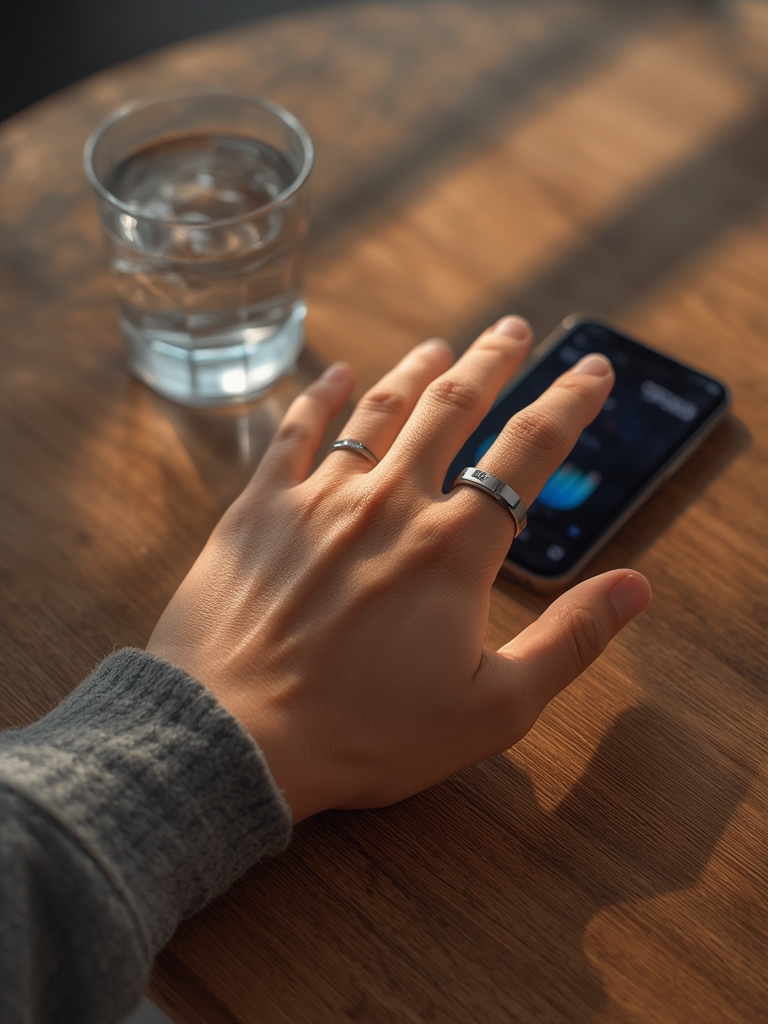
The AI smart ring health tracker 5 aims to provide comprehensive health statistics from a ring worn on your finger. Smart rings—like the ones dominating the market today—bring sleep tracking, heart rate analysis, activity stats, and sometimes even SpO2 or temperature readings, all in a compact, waterproof design. These devices use powerful sensors combined with AI-powered algorithms to interpret your health data and give personalized guidance.
Unlike traditional fitness trackers or smartwatches, a smart ring is almost unnoticeable and doesn’t require a screen. This makes it easy to wear 24/7, unlocking richer insights into health trends. Brands such as Oura Ring 4 and Ultrahuman Ring Air have set the bar by offering week-long battery life, advanced sleep tracking, and robust mobile apps (see industry data).

Not all rings are created equal. Factors like sensor accuracy, app interface, software updates, and even medical clearances (the Movano EvieMED Ring and the Happy Ring are both FDA cleared [see stats]) impact real-world value. Before diving in, it’s smart to map what matters most: sleep tracking, fitness, heart health, or maybe convenience.
Looking for even more compact options? Discover other wearables, like the wearable health ring ai trend, which signals a shift from wrist to finger for maximum comfort.
How to Get Started: Step-by-Step Guide
Here’s a direct roadmap for selecting, setting up, and getting results from your smart ring—no wasted steps.
-
Decide What You Want to Track
Identify priorities like sleep analysis, HRV (heart rate variability), fitness activity, or even period tracking (which FDA-cleared options like the Movano EvieMED Ring increasingly support). -
Research Models and Compare Features
Compare battery life (Oura Ring 4 lasts up to 7 days, Ultrahuman Ring Air about 6–7 days, industry overview), water resistance, app platforms, and any reported connectivity issues. -
Check for Compatibility and Clinical Validation
Make sure your phone is supported—especially for app syncing. Rings like the Movano EvieMED Ring offer more trust due to clinical validation. If sleep and stress are priorities, look at analytics details and medical clearances. -
Buy from Reputable Sellers
Avoid off-brand or “too cheap” options that could compromise sensor reliability or data privacy. -
Unbox and Charge Fully
Many rings work best after initial full charge; some require app pairing and a firmware update before use. -
Configure Your Health Goals in the App
Set up profile info, health priorities, notifications, and consent for long-term data storage if needed. -
Wear the Ring Consistently
Most rings learn and improve accuracy with regular, 24-hr wear—especially for sleep analysis and HRV trends. -
Check Data Regularly and Act on Insights
Review trends and set achievable goals—don’t just glance at numbers. Use the analytics to improve habits, sleep hygiene, recovery routines, or exercise.
Want to explore more wearables and power solutions? For hands-free fitness, read the wireless earbuds ai sound adjustment guide or grab a solar generator backup power to keep devices running during travels.
If you want a stylish room upgrade to match your new tracking tech, check out smart led panels music sync for smart home automation inspiration.
Advanced Analysis & Common Pitfalls
Despite all the hype, even leading rings come with notable limits and sometimes risky gaps. Here’s a realistic analysis based on the most reliable smart rings in 2024.
| Smart Ring | Battery Life | Clinical Validation | Notable Features | Main Pitfalls |
|---|---|---|---|---|
| Oura Ring 4 | Up to 7 days | No (Consumer-grade) | Advanced sleep, activity, SpO2 | Pricey; subscription for advanced insights; app sync bugs for Android |
| Ultrahuman Ring Air | 6–7 days | No | Metabolic score, recovery analytics | Newer brand; reporting inconsistencies; smaller community |
| Samsung Galaxy Ring | Est. 5–7 days | No (as of mid 2024) | Samsung phone integration | Unknown app features at launch; compatibility notes unclear |
| Movano EvieMED Ring | Not published | Yes (FDA 510(k) Cleared) | Medical-grade, female health focus, sleep | U.S. only on release; limited colors; higher price |
| Happy Ring | Unknown | Yes (FDA cleared Oct 2024) | Mental well-being, stress detection | Late to market; unclear international rollout |
- App integration issues: Even top rings occasionally have Bluetooth drops or delayed sync.
- Subscription fatigue: Oura and others may charge monthly for “full” analytics access.
- Fit and Sizing: Improper fit leads to inaccurate tracking. Sizer kits are often needed.
- Privacy Concerns: Data is sensitive—review privacy terms, especially for off-brand rings.
- Not for medical emergencies: Rings are not a replacement for professional diagnoses. Even FDA-cleared rings are “wellness” devices, not clinical monitors.
Want to see how the landscape has evolved? Compare to other generations, like the ai smart ring health tracker 3 for practical differences and improvements.
Conclusion
With robust sensors and AI-driven analytics, smart rings like the AI smart ring health tracker 5 promise deep insights in a tiny form. But real-world results come down to device fit, credible brand, and how you leverage app-based feedback for long-term wellness change. Stay mindful of compatibility, privacy, and medical limits.
Ready to upgrade your wellness routine? Research smart—whether you choose the Oura Ring 4, Ultrahuman Ring Air, or new entries like the AI smart ring health tracker 5—and track your progress for better sleep, fitness, and vitality.
FAQ
How accurate are smart ring health trackers compared to smartwatches?
Leading smart rings can rival premium smartwatches for sleep and heart rate trends, but may lack detailed display features and sport-specific modes. Accuracy improves with proper fit and consistent wear. Still, always consult medical professionals for health decisions.
Can I shower or swim with a smart ring?
Most premium rings (like Oura Ring 4 and Ultrahuman Ring Air) are water resistant and fine for showers, handwashing, and even short swims. Always double-check the rated water resistance before exposure.
Do smart rings need a monthly subscription?
Some brands (notably Oura) require a monthly fee for full analytics or trend history. Others offer most insights for free. Read terms closely before purchase to avoid surprises.
Will my phone work with a smart ring’s app?
Most rings support major platforms (iOS, Android), but always verify model and OS version compatibility before buying. App updates and Bluetooth versions may limit older devices.
What if AI smart ring health tracker 5 isn’t available in my country?
This can happen with newer or FDA-cleared models. Consider established alternatives with global support or watch for updates in official announcements and trusted consumer tech news.
